How to read this: Komodo Wellness Retreat is an independent curation guide for wellness travel in the Komodo & Flores region — we compare retreat styles (yoga, meditation, detox, dive-wellness, liveaboard, spa) and then route your enquiry to a vetted partner who handles the booking. We are not a resort, operator, studio or booking platform, and any property or place names are neutral examples only, not claims of affiliation or endorsement. Wellness content here is general information, not medical, health or fitness advice — consult a qualified professional before any detox, fasting, diving or new practice. Park permits, fees, schedules and the ~1,000/day Komodo National Park visitor cap change — confirm current details before you travel. Prices are by quote and vary by retreat, season and group; figures here are indicative ranges only.
A silent retreat in Komodo or Flores — meaning a structured, teacher-led programme where participants observe a formal no-talking rule, typically following a Vipassana or similar contemplative format — does not, as of mid-2026, appear to exist as a confirmed, bookable product in this region. That is not a criticism of the area. It is the single most useful thing this guide can tell a traveller who has been searching, because the honest answer shapes everything that follows.
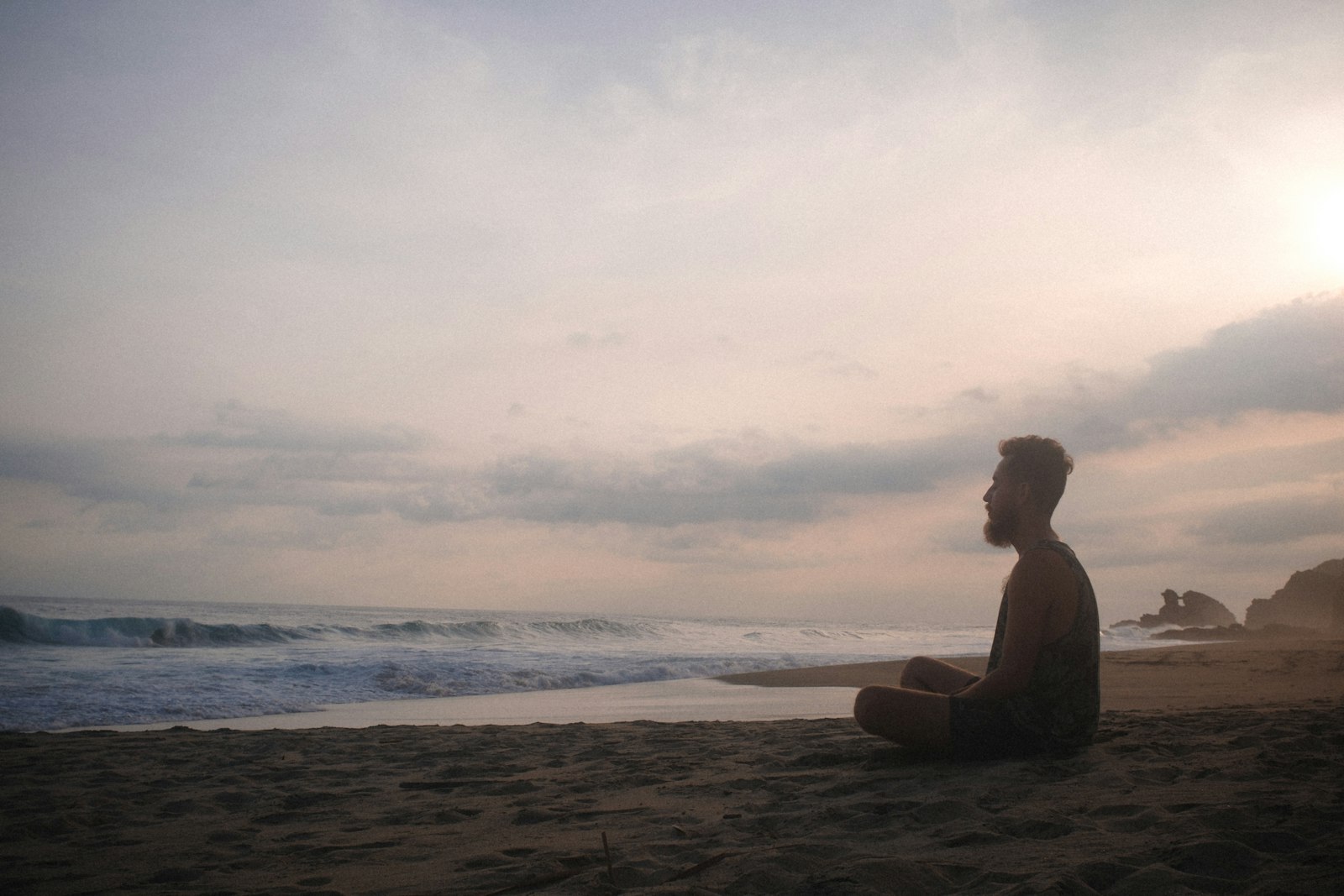
What does exist here is something different, and in some ways harder to find anywhere else: vast stretches of genuine quiet. Anchorages where the only sounds at 5 a.m. are water against a hull and distant seabirds. Eco-homestays without reliable Wi-Fi, not by philosophy but by geography. Sunrise hikes on Padar Island where you will be one of perhaps a few dozen people on a ridge looking out at three bays. These are not a guided programme. They are, if you come with that intention, conditions for your own silence. This guide maps both realities honestly.
Why No Formal Silent Retreat Exists Here Yet
The Komodo and Flores region is primarily known — and priced and staffed — as a dive and nature tourism destination. Komodo National Park, a UNESCO World Heritage Site since 1991, draws visitors for its marine biodiversity and Komodo dragon population (approximately 3,270 individuals as of 2024 official monitoring). The wellness infrastructure that has developed here reflects that orientation: resort spas, on-boat yoga sessions for liveaboard guests, sunset yoga at boutique hotels. Structured contemplative programming requires a dedicated, multi-day residential facility, certified teachers, a stable local community of practitioners, and the kind of repeat-visitor base that sustains retreats financially. None of those conditions are currently in place here the way they are in, for example, Ubud or Lombok.
When you search retreat aggregator platforms for Komodo or Flores silent retreats, the results are misleading in a specific way worth understanding. Sites like BookRetreats and Tripaneer may surface results labelled “Flores” that, on inspection, place the retreat in Sanur or Lombok. BookYogaRetreats shows zero confirmed packages for both Komodo Island and Labuan Bajo. This is not the platforms’ fault — it is an accurate signal that the product category does not yet exist at scale in the region. Treat any aggregator listing for this area with scrutiny and verify the property’s actual physical address directly before booking.
What Travellers Searching for a No Talking Retreat in Indonesia Should Know
If a genuine Vipassana-format or no-talking retreat is the core goal, the honest advice is to look elsewhere in Indonesia first — Bali and Lombok have established retreat centres with resident teachers, structured programmes, and years of operational experience. Ubud in particular offers multiple dedicated meditation and yoga retreat organisations, some with sliding-scale or donation-based options alongside mid-range and luxury packages. Costs in Bali range from roughly USD 30–70 per person per night at budget retreat centres through to USD 200–400 per night at all-inclusive luxury retreat properties. The density of genuine programmatic wellness per dollar is simply much higher there.
That said, a specific type of traveller should keep reading: someone who wants a Komodo nature experience and who is willing to self-direct their practice rather than follow a guided programme. For that person, this region offers conditions that Bali cannot replicate.
Quiet Meditation Retreat Flores: The Realistic Alternatives
Several formats do allow for genuine silence and low-stimulation immersion in the Komodo–Flores corridor. None of them are marketed as silent retreats. All of them require that you arrive with your own practice.
Off-Grid Sailing Days on a Phinisi
The defining Komodo travel format is the phinisi liveaboard — a traditional Indonesian wooden sailing vessel, typically two-decked, carrying eight to sixteen guests on multi-day routes through the national park and surrounding islands. The most striking thing about anchored nights on a phinisi, particularly at lesser-visited spots away from Komodo and Rinca main jetties, is the quiet. Boat engines shut down. There is no road noise, no music from a neighbouring villa, no urban ambience. Stars here are sharper than almost anywhere accessible by flight from Bali or Jakarta.
Standard shared phinisi tours (3D2N) start from approximately IDR 4–7 million total, which works out to roughly USD 130–230 per person per night depending on vessel quality and group size — these are standard Komodo tours, not wellness-specific products. A small number of operators have built out genuine wellness programmes on board. SeaTrek Sailing Adventures offers an 8-day Life Force Wellness Cruise and Yoga Retreat format for the Komodo corridor, with daily yoga sessions and meditation instruction included as a core product [VERIFY current departure dates directly with the operator]. Aliikai, a phinisi liveaboard, has hosted dedicated dive-and-yoga departures including a Wander Women format with multiple yoga styles and optional participation in both diving and yoga [VERIFY availability for your dates]. Samara Liveaboard offers customisable wellness charters with onboard yoga instructors on request, operating a private charter model rather than fixed group departures [VERIFY]. These are as close to a structured retreat on water as the region currently offers — though none are silent retreats in the formal sense.
If your interest is self-directed practice rather than a guided programme, a private charter or even a shared phinisi with fewer passengers provides the physical conditions: early mornings on the bow before snorkel stops, evening anchors in calm bays, stretches of intentional quiet between wildlife encounters. This is not a retreat product. It is a container you create yourself.
Eco-Homestays and Rural Flores Accommodation
Beyond Labuan Bajo’s resort corridor, Flores has a scattering of eco-homestays in villages and farming areas where the pace is genuinely slow and digital connectivity genuinely limited. Sten Lodge Eco Retreat in Melo, Manggarai Barat district near Labuan Bajo, is listed as offering Pranayama, Yoga Nidra, and Meditation in an eco-homestay format [VERIFY current programme and availability at +62 813 3722 9724]. This is not a formal silent retreat programme, but the environment — rural, quiet, without a spa menu or structured schedule — is closer to the low-stimulation setting that silent retreat seekers are often actually looking for beneath the format label.
If you plan a longer stay in Flores and want to build a personal practice into it, plan your itinerary with our concierge who can identify current homestay options in lower-traffic areas of Flores and match them to your specific needs. We work with operators across the region and can give you honest information about what is available — no one can pay us to change what we publish; if you use our help and proceed with a partner or operator, they may pay us a referral fee at no extra cost to you.
Low-Stimulation Anchorages and Silence in Komodo Waters
The Komodo archipelago has anchorages — particularly around smaller islands in the park’s northern and central zones — where silence and stillness in Komodo take on a literal geographic quality. The daily visitor cap of 1,000 people across all park zones (implemented as a pilot system in early 2026 via the SiOra digital booking platform, with three time slots of roughly 333 people each) means that even at peak season, certain quieter anchorages and less-visited beaches within the park boundaries are genuinely uncrowded. Pink Beach, Kalong Island at dusk during the flying fox migration, the mangrove shallows of Padar’s inner bay — none of these are marketed as contemplative experiences, but travellers who approach them that way consistently describe something close to it.
Water temperature in the park averages around 27–28°C in the northern zones through the dry season months of April to October. The humidity in the park itself runs relatively low for Indonesia — around 36% average — which makes early morning time on deck or on a beach physically comfortable for meditation sitting in a way that Bali’s high-humidity mornings often are not.
Season Matters Considerably for Quiet Travel
If quiet is the goal, timing your visit shapes the experience more than almost any other single factor. The Komodo–Flores corridor has two distinct seasons, and they produce very different conditions for the traveller seeking space to think.
| Season | Months | Conditions for quiet travel | Notes |
|---|---|---|---|
| Best overall window | April–June | Calming seas, green landscapes, comfortable temperatures, fewer boats than July–August peak | Multi-source consensus as strongest combined window; lows around 21–22°C at night June–July |
| Peak season | July–August | Driest, clearest water, best diving visibility — but highest crowd density and prices | Busy anchorages; liveaboard berths book out months in advance |
| Second prime window | September–November | Excellent marine conditions, fewer boats than peak, still dry to transitional | Good balance of quality and lower density; temperatures peak 35–37°C Sep–Nov |
| Wet season | November–March | Rougher seas, some sites inaccessible; January–February can be rough | Some operators reduce schedules; manta season peaks December–February |
April to June stands out for wellness-oriented travel specifically because the landscape is still green from the tail of the wet season, the Southeast monsoon has not yet made the south coast rough, and the peak-season boat congestion at popular anchorages has not yet built. If your aim is morning meditation on a calm deck followed by snorkelling in warm, clear water with few other boats in sight, this window is meaningfully better than July or August for the quiet-seeking traveller.
Land-Based Resort Options in Labuan Bajo
Several established resort properties offer spa and yoga access in Labuan Bajo, though none operate as dedicated silent retreat programmes. The distinction matters for setting accurate expectations before you book.
Ta’aktana, a Luxury Collection Resort and Spa
Opened in 2024, Ta’aktana is the first Marriott property in Labuan Bajo and the most fully developed wellness facility in town. Its Di’a Spa is a two-storey centre with a Flores cave-inspired design aesthetic, hot and cold plunge pools, couples’ treatment rooms, and a menu including regional body rituals, lulur scrub, warm oil massage, and facial treatments. A 24-hour gym and coastal location on western Flores add to the wellness offer. Travel and Leisure Asia cited rates starting from USD 490 per night [VERIFY — rate data may not reflect current pricing]; the property sits firmly in the luxury bracket. A yoga or meditation session can be woven in as a personal practice here, but the resort does not operate a structured retreat format.
Sudamala Resort Komodo
Sudamala is the most clearly documented source of structured wellness packages in the Labuan Bajo area. The Sudajiva Spa spans 563 square metres with three treatment rooms, open daily from 9 a.m. to 9 p.m. The resort offers several multi-day packages verified via third-party booking platforms [VERIFY current availability and pricing directly with Sudamala]: a two-night Culture and Mindfulness package from around USD 325, which includes yoga and meditation sessions alongside a Melukat purification ceremony and river hot stone therapy; a two-night Lako Lako Retreat from approximately USD 375 incorporating yoga, a weaving tour, and a Boreh spice paste workshop; and a two-night Unwind Wellness Escape from approximately USD 435 combining yoga with a cooking class, Manggarai dance introduction, and massage with a coffee body scrub. These represent the closest thing to a structured multi-day wellness format confirmed in the region.
One distinction worth noting about the Melukat ceremony offered here: this is a Balinese Hindu water purification ritual, not a Flores or Manggarai traditional practice. That is not a criticism — it is a meaningful ritual offered in context — but travellers seeking specifically local NTT healing traditions should understand this difference. Flores and the NTT region almost certainly have distinct regional herbal and healing traditions given Indonesia’s extraordinary ethnobotanical diversity, but no specific named Flores healing system has been documented in the sources reviewed for this guide. We will not invent one.
AYANA Komodo, Plataran Komodo, and Katamaran Hotel
AYANA Komodo Waecicu Beach is a full-service spa resort with confirmed active operations through 2024–2025, though specific treatment menus and structured yoga schedules are not documented beyond marketing language [VERIFY directly before booking]. Plataran Komodo Resort and Spa markets a wellness and ecotourism positioning and has a dedicated wellness section, but structured retreat programme details are not confirmed beyond general promotional material [VERIFY]. Katamaran Hotel and Resort ranks consistently at the top of TripAdvisor’s Labuan Bajo yoga hotel lists with its Soul Bliss Spa and beach yoga, though again without a structured retreat format documented [VERIFY current activity schedule]. All three are viable bases for someone who wants spa access and resort comfort alongside park excursions.
Local Yoga Access Without the Resort Price
Two local yoga options in Labuan Bajo town offer access outside the resort context for travellers who want practice without the full hotel rate. Bajo Yoga has been operating since 2017 and describes itself as the first yoga service in Labuan Bajo, running community-oriented classes for locals, expats, and passing travellers [VERIFY current schedule at bajoyoga.weebly.com]. A local RYT-200 certified instructor operating as Niang Yoga Bajo offers private and group classes [VERIFY via Instagram @niang_yogabajo]. Neither is a retreat programme or a silent retreat. Both give a practitioner access to a class without requiring a resort booking.
Connecting the Komodo Experience to a Broader Indonesia Wellness Plan
The most common pattern among travellers who want both genuine contemplative depth and the Komodo experience is a combined itinerary: a structured retreat elsewhere — Bali or Lombok — followed by three to five days of slow sailing or eco-stay in Flores. Labuan Bajo is approximately one hour by direct flight from Bali (Denpasar, DPS), served by several airlines including Indonesia AirAsia, Wings Air, Lion Air, Batik Air, and Citilink. The logistics of combining a retreat stay with a Komodo extension are genuinely manageable, and the two experiences complement each other well: a retreat builds a practice, and Komodo gives you extraordinary natural conditions to sustain it in.
If you are weighing this kind of combined trip, our meditation retreat guide, digital detox planning page, and detox retreat overview cover the Bali and Lombok options in detail. This page is specifically about what the Komodo–Flores corridor offers for the quiet-seeking traveller on its own terms.
Ready to sketch out an itinerary that actually reflects what is here? Reach us on WhatsApp at +62 811 3823 875 or through our enquiry form — we can match what you are looking for with what we honestly know exists, and help you avoid aggregator listings that look like retreats but are not.
Frequently Asked Questions
Is there a Vipassana or silent retreat centre in Flores or near Komodo?
As of mid-2026, no confirmed, bookable Vipassana-format or structured no-talking retreat centre has been identified in Flores or the Komodo National Park area. Retreat aggregator platforms occasionally surface results labelled with Flores as a location, but verified properties in those listings are typically based in Lombok or Bali. If a formal silent retreat programme is the primary goal, Bali or Lombok currently offer far more developed options. For Komodo, the alternative is self-directed stillness on a phinisi liveaboard or at an eco-homestay — genuine quiet, but without a guided programme.
What is the closest thing to a quiet meditation retreat in Flores?
The best candidates, all requiring direct verification with the operator: a curated wellness phinisi charter with operators such as SeaTrek Sailing Adventures (8-day Life Force Wellness Cruise) or Samara Liveaboard (customisable wellness charters); Sudamala Resort Komodo’s multi-day wellness packages in Labuan Bajo, which include yoga and meditation alongside cultural programming; or Sten Lodge Eco Retreat in Melo, Manggarai Barat, which offers Pranayama, Yoga Nidra, and Meditation in a rural eco-homestay setting. None of these are silent retreats in the formal sense.
When is the best time for a quiet, low-crowd visit to Komodo?
April to June is the most consistently recommended window for travellers prioritising calm conditions and lower crowd density. Seas are generally calmer than during the July–August Southeast monsoon period, landscapes are still green from the wet season, temperatures are comfortable, and tourist numbers are meaningfully lower than at peak. September to November is a strong second window. January and February are the roughest months and are generally best avoided for wellness-oriented travel.
How much does a wellness-focused trip to Komodo cost compared to a Bali retreat?
Komodo carries a cost premium driven by logistics and remoteness, not by wellness programming depth. A standard shared phinisi (3D2N) runs approximately IDR 4–7 million total, or roughly USD 130–230 per person per night. Yoga and wellness liveaboard options from operators like SeaTrek or Samara are estimated in the range of USD 350–800 or more per person per night for curated wellness or private charter formats, though this figure should be verified directly with operators. Land-based resort stays in Labuan Bajo range from roughly USD 80–180 per night at mid-range properties through to USD 490 and above at the luxury end. Compare that to Bali, where a genuine multi-day retreat with daily yoga and meals can run USD 70–150 per person per night at mid-range: Bali delivers more wellness content per dollar at every tier. Komodo’s value is in the nature and isolation.
Do I need to book Komodo National Park access in advance for a wellness trip?
Yes, with significant lead time. Komodo National Park implemented a mandatory digital booking system (SiOra app) from 2026, replacing walk-up harbour ticketing, with a daily cap of 1,000 visitors divided into three time slots. For peak season in June through September, operators recommend booking two to four months ahead. Park entry for foreign nationals costs IDR 250,000 per person per day, plus IDR 25,000 diver surcharge if diving, and IDR 25,000 harbour fee — approximately IDR 300,000 total per day for a foreign diver. Permits are tied to a specific passport number and date and are non-transferable. The quota system was described as a pilot as of early 2026 and may be subject to revision — verify current requirements with your operator or directly with park authorities before finalising any booking.