

Raja Ampat’s Marine Biodiversity: A Cornerstone Guide for Komodo Wellness Retreat Guests
5 min read
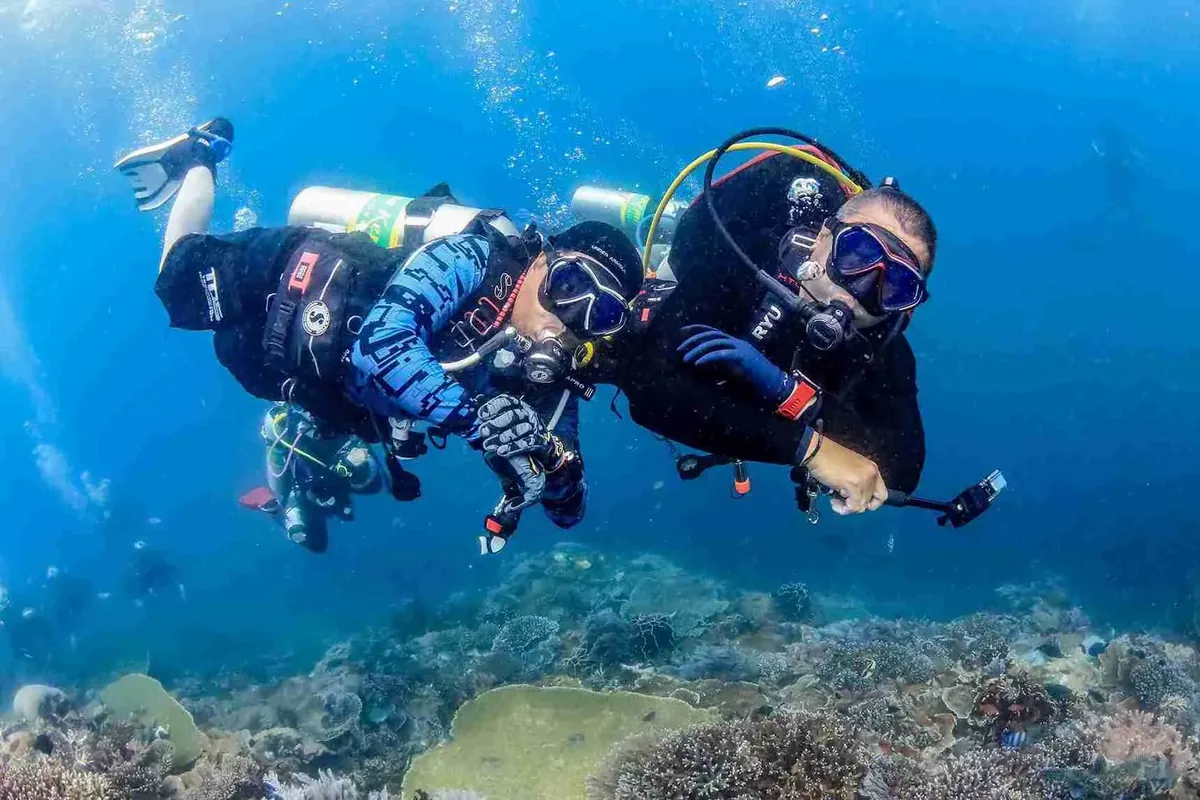
Raja Ampat, nominated as a UNESCO Biosphere Reserve in 2025, stands as the global epicentre of marine biodiversity, boasting 75% of all known coral species, over 1,300 reef fish species, and 17 marine mammal species across a protected area of approximately 12.5 million hectares. Its pristine waters offer opportunities for scientific discovery and transformative wellness experiences.
The Unrivalled Marine Ecosystem of Raja Ampat
Raja Ampat, located in West Papua, Indonesia, is celebrated as the heart of the Coral Triangle, a region renowned for the highest marine biodiversity on Earth. This archipelago, comprising over 610 islands, only 34 of which are inhabited, offers a sanctuary for an astonishing array of marine life. Its geological history, settled approximately 25 million years ago, has fostered a 30-million-year ecosystem, resulting in an environment of remarkable stability and richness. The nomination of Raja Ampat as a UNESCO Biosphere Reserve in 2025 further underscores its global significance and the imperative for its continued protection.
Coral Reefs: The Foundation of Life
The coral reefs of Raja Ampat are the cornerstone of its extraordinary biodiversity. With between 550 and 600 species of coral, including over 500 reef-building corals, these vibrant underwater structures provide essential habitat and sustenance for thousands of marine organisms. Approximately 60% of these reefs are in good to excellent condition, a to effective conservation efforts. The health and complexity of these reefs contribute significantly to the high visibility in the waters, typically ranging from 15 to 30 metres, with water temperatures consistently between 27–30°C.
A Kaleidoscope of Fish and Invertebrates
The waters surrounding Raja Ampat teem with an incredible diversity of fish species. Estimates suggest between 1,320 and 1,800 reef fish species inhabit the region, with the Dampier Strait alone recording an astonishing 1,427 species. This includes a wealth of endemic species, such as the Wobbegong Shark, Epaulette Shark, Pygmy Seahorse, Mantis Shrimp, and Ghost Pipefish, offering unique encounters for divers and snorkelers. Beyond fish, the ecosystem supports over 700 species of mollusks, contributing to the intricate food web and ecological balance.
Majestic Marine Mammals and Reptiles
Raja Ampat is a critical habitat for 17 species of marine mammals, including sperm whales, orcas, dugongs, dolphins, and Bryde’s whales. These charismatic megafauna are a regular sight in the protected waters, providing awe-inspiring experiences for those observing from our retreat. Additionally, five species of sea turtles, including the critically endangered hawksbill turtle, utilise the region’s beaches and reefs for feeding and nesting. Encountering these magnificent creatures is a highlight for many visitors to our site.
Protection and Conservation Efforts
The expansive marine area of Raja Ampat, totalling 12,565,197 hectares, is meticulously managed to preserve its biodiversity. Within this vast expanse, 10 Marine Protected Areas (MPAs) cover approximately 35,000 km², safeguarding around 45% of the coral reefs and mangroves. These protected zones are crucial for maintaining the ecological integrity of the region and supporting sustainable eco-tourism, which is a primary income source for many local communities alongside traditional fishing. The Birds Head Seascape, a significant conservation initiative, encompasses 4.5 million hectares within this broader protected area.
Diving and Eco-Tourism: Experiencing Raja Ampat’s Riches
Raja Ampat consistently ranks as a top diving destination globally, drawing enthusiasts keen to witness its extraordinary underwater spectacles. Key diving locations like the Dampier Strait are renowned for their vibrant reef systems and high likelihood of encounters with megafauna such as manta rays, whale sharks, and sea turtles. Our guests benefit from direct access to these pristine environments, engaging in activities that respect and contribute to the ongoing conservation efforts. We emphasise low-impact tourism to ensure these delicate ecosystems remain intact for future generations.
| Category | Key Figures | Significance |
|---|---|---|
| Coral Species | 550–600 species | 75% of world’s known coral species |
| Reef Fish Species | 1,320–1,800 species | Highest diversity on Earth |
| Marine Mammal Species | 17 species | Includes whales, dolphins, dugongs |
| Sea Turtle Species | 5 species | Includes endangered Hawksbill turtle |
| Protected Marine Area | ~12.5 million hectares | UNESCO Biosphere Reserve (nominated 2025) |
| Marine Protected Areas (MPAs) | 10 MPAs (~35,000 km²) | Protects ~45% of reefs & mangroves |
2027 note: The figures and conservation statuses presented herein are current as of 2027, reflecting the latest scientific assessments and the recent nomination of Raja Ampat as a UNESCO Biosphere Reserve in 2025. This information underscores the ongoing commitment to protecting this vital marine ecosystem.
FAQ
What makes Raja Ampat’s marine biodiversity so unique?
Raja Ampat is located at the heart of the Coral Triangle, an area recognised as the global epicentre of marine biodiversity. It hosts 75% of all known coral species, over 1,300 reef fish species, and a significant number of marine mammals, all within a vast protected marine area. This extraordinary concentration of life is attributed to its unique geological history and sustained conservation efforts.
How large is the protected marine area in Raja Ampat?
The total protected marine area in Raja Ampat, which was nominated as a UNESCO Biosphere Reserve in 2025, spans approximately 12.5 million hectares. Within this, there are 10 designated Marine Protected Areas (MPAs) covering roughly 35,000 km², safeguarding critical coral reefs and mangrove ecosystems.
What types of marine life can guests expect to encounter?
Guests can expect to encounter a wide array of marine life, including over 550 coral species, thousands of reef fish species, and megafauna such as manta rays, whale sharks, and sea turtles. The region is also home to 17 species of marine mammals, including various dolphins and whales, making every underwater experience potentially unique and awe-inspiring.
Keep reading
More from the journal
Komodo Travel 6 min
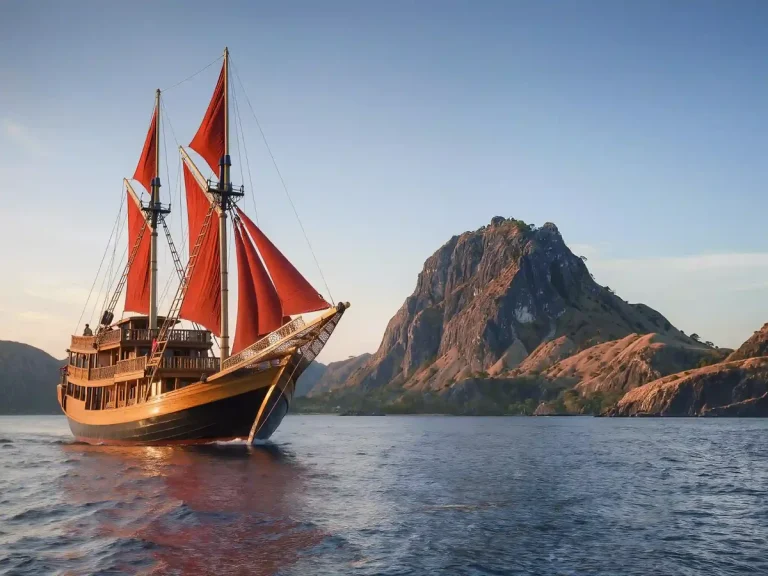
Luxury Phinisi Yacht Design: The 2027 Evolution of Indonesian Sailing
Luxury Phinisi yacht design in 2027 focuses on enhanced guest experience, sustainable materials, and expanded operational capabilities across Indonesia's prime…
Read the article
Island Travel 7 min
Your Guide to Booking a Wellness Retreat and Raja Ampat Charter in 2027
Booking a wellness retreat or a luxury marine adventure in Raja Ampat for 2027 requires early planning due to high…
Read the article
Island Travel 6 min
Structuring a Bali and Raja Ampat Wellness Itinerary for 2027
Combining Bali's tranquil wellness offerings with the natural splendor of Raja Ampat requires careful logistical planning, particularly for 2027. Your…
Read the article