
How to read this: Komodo Wellness Retreat is an independent curation guide for wellness travel in the Komodo & Flores region — we compare retreat styles (yoga, meditation, detox, dive-wellness, liveaboard, spa) and then route your enquiry to a vetted partner who handles the booking. We are not a resort, operator, studio or booking platform, and any property or place names are neutral examples only, not claims of affiliation or endorsement. Wellness content here is general information, not medical, health or fitness advice — consult a qualified professional before any detox, fasting, diving or new practice. Park permits, fees, schedules and the ~1,000/day Komodo National Park visitor cap change — confirm current details before you travel. Prices are by quote and vary by retreat, season and group; figures here are indicative ranges only.
A labuan bajo wellness retreat begins, for almost every traveller, with the same arrival: a flight into Komodo International Airport, a short transfer through a compact harbour town, and the realisation that the destination is genuinely different from what the brochures implied. Labuan Bajo is not a wellness campus. It is a working gateway town — the port that supplies Komodo National Park, the harbour from which every liveaboard and day-trip boat departs, and the base around which a modest but real cluster of spa-equipped resorts has formed over the past decade. Understanding what Labuan Bajo actually is — and is not — is the most useful thing a first-time wellness traveller can know before booking.
This guide covers the town’s role as the access hub for any Komodo or Flores wellness trip, the verified spa and resort options, the small community yoga scene that exists outside resort walls, and the practical information — airport, medical facilities, health risks, travel insurance — that shapes whether a trip here goes smoothly or does not. Numbers are published as ranges, not fixed figures; what comes from operator marketing language is labelled [VERIFY] so you can check it directly. No property paid to appear in this guide.
Labuan Bajo as a Wellness Gateway: What the Town Is
Labuan Bajo sits on the western tip of Flores island in East Nusa Tenggara province. Coastal and sea-level, it functions primarily as a logistics hub: the airport funnels visitors in from Bali and Jakarta, the harbour dispatches them toward Komodo and Rinca islands, and the main strip of hotels and restaurants supplies everything in between. The town has grown fast — fuelled by both domestic and international tourism following Komodo National Park’s UNESCO listing and the Indonesian government’s designation of Labuan Bajo as a national priority tourism destination. That growth has brought resort infrastructure that would have been inconceivable a decade ago.
What it has not yet produced is a standalone wellness retreat centre of the kind you find in Ubud. No confirmed dedicated retreat campus with its own yoga shalas, healing practitioners, and multi-week programmes exists within Labuan Bajo or wider Flores as of our 2025-2026 research. The structured wellness offer here is either resort-delivered — spa treatments, yoga activities, and wellness packages within hotel grounds — or liveaboard-delivered, on phinisi vessels sailing the national park. That is the honest framing, and it matters for setting expectations.
The town itself is compact enough to navigate on foot or by short ojek ride. The airport is roughly 20-25 minutes from the main resort cluster. The harbour for liveaboard boarding is centrally located. Altitude is zero — you are literally at sea level, which means no acclimatisation period and no altitude-related health considerations, unlike some Indonesian highland retreats.
Getting to Labuan Bajo: The Airport and Connections
Komodo International Airport (IATA: LBJ) handles the full volume of international and domestic arrivals to the region. Post its 2022 expansion, the terminal covers 13,366 square metres and the runway runs 2,650 metres — expanded to accommodate the traffic growth that accompanied Labuan Bajo’s rise as a national priority destination. Recorded passenger volume in 2024 was approximately 1,017,995, with the airport operating near its current capacity of around 1.5 million per year. A further runway extension to 2,750 metres is planned for wider-body aircraft.
For travellers planning a labuan bajo wellness accommodation stay, the routing is straightforward:
- From Jakarta (CGK)
- Approximately 2.5-3 hours direct. Airlines confirmed operating this route: Garuda Indonesia, Batik Air, Lion Air, Super Air Jet, Citilink.
- From Bali / Denpasar (DPS)
- Approximately 1-1.25 hours direct. Airlines: Indonesia AirAsia, Wings Air, Lion Air, Batik Air, Citilink. Around 13 daily departures across both directions, with the earliest Bali departure at 08:40 and the latest Jakarta departure at 19:05.
- International connections
- Singapore and other regional hubs are in development; as of research date, most international visitors route through Jakarta or Bali on domestic connections. The e-VOA may not be usable for direct international entry at LBJ — verify with Indonesian immigration before booking [VERIFY].
Transfer time from the airport to central Labuan Bajo accommodation is typically 20-30 minutes, depending on traffic. Some resort properties — particularly those on western headlands or beachfronts outside the town centre — offer boat transfers or longer road transfers; confirm with your property at booking.
The Spa and Resort Landscape: What Is Verified Operating
Five properties in the Labuan Bajo and Komodo region are confirmed operating with spa or wellness facilities as of 2024-2025, drawn from TripAdvisor verification, Marriott official listings, and multiple independent sources. Two further properties appear in booking platform text but are not independently confirmed. The breakdown matters because the phrase resort with spa labuan bajo covers a wide spectrum — from a two-storey dedicated wellness centre with plunge pools to a single massage room attached to a mid-range hotel.
Ta’aktana, a Luxury Collection Resort & Spa (Marriott)
Opened in 2024, Ta’aktana is the first Marriott-flagged property in Labuan Bajo and currently anchors the top of the spa hotel labuan bajo market. Its Di’a Spa is a two-storey wellness centre with a Flores-cave-inspired interior — a design reference to the region’s limestone formations. Facilities include hot and cold plunge pools and couple’s treatment rooms. The confirmed treatment menu spans lulur body scrub, warm oil massage, a Niance anti-aging facial, and a Hyggee Harmony Hair Spa Treatment [VERIFY current menu with property, as spa offerings evolve]. The resort also has a 24-hour gym, a pool, kayaking and snorkelling access, and operates the Dayara Boat for national park excursions. Travel and Leisure Asia cited a rate from USD 490 per night [VERIFY — single source, may not reflect current pricing or seasonal variation].
For travellers whose primary goal is a serious spa experience combined with Komodo access, Ta’aktana is the most complete single property. For travellers who want to maximise nights in the park rather than nights in a luxury room, the premium may not be the best allocation.
AYANA Komodo Waecicu Beach
A full-service five-star beach resort confirmed active through 2024-2025, AYANA Komodo sits on Waecicu Beach approximately 10 minutes from the Labuan Bajo town centre. Its spa is prominently featured in marketing materials, and it operates a 250-metre private jetty alongside a signature Floating Brunch experience. AYANA also operates the Lako Di’a luxury phinisi — a nine-suite air-conditioned vessel that bridges the resort and liveaboard categories for guests who want to move between the property and the park by water.
What is not documented in our sources beyond marketing language: specific spa treatment menus, yoga schedules, or pricing. [VERIFY directly with the property.] AYANA’s broader group reputation suggests a complete wellness offering, but the Labuan Bajo property’s specific programme details require direct confirmation before booking a wellness-focused stay.
Plataran Komodo Resort & Spa
Plataran occupies a private island setting in the Komodo region — listed by Michelin Guide and described in its own materials as a True Indonesian Icon [VERIFY current award status]. Accommodation ranges across deluxe garden rooms, beachfront villas, a Founder’s Home, a Presidential Pool Residence and a Two-Bedroom Limasan Beachfront. Three restaurants (including Xanadu and Atlantis on the Rock) serve the property. A wellness section appears on the Plataran website and the resort is marketed as offering wellness retreats in a nature setting.
The honest caveat: the depth of any structured wellness programme beyond spa treatments is not independently verified in our sources beyond Plataran’s own marketing language [VERIFY]. Rates are not publicly listed — direct enquiry required. For travellers drawn by ecotourism positioning and natural setting, Plataran has a well-established reputation; for those primarily focused on a structured wellness itinerary, verify the specifics before committing.
Sudamala Resort, Komodo (Labuan Bajo / Seraya)
Sudamala is the most price-transparent of the five confirmed properties for wellness programming — its packages appear on third-party booking platforms with actual figures rather than enquire-for-rates responses. The Sudajiva Spa measures 563 square metres, runs three treatment rooms and opens daily from 09:00 to 21:00. The confirmed treatment menu covers Balinese massage, Swedish massage, aromatherapy, reflexology, body scrub, facials and sunburn treatment.
The multi-day packages are the distinguishing feature here. Approximate figures from booking platforms [VERIFY current pricing and availability directly]:
| Package | Duration | Approx. From | Highlights |
|---|---|---|---|
| Relaxation by the Sea | 1 night | ~USD 75 | Suite + breakfast |
| Culture and Mindfulness | 2 nights | ~USD 325 | Yoga, meditation, Melukat ceremony, river hot stone therapy, spa pool bath |
| Lako Lako Retreat | 2 nights | ~USD 375 | Yoga, Melukat, Flores weaving tour, Sudajiva Signature Massage, Boreh workshop |
| Unwind Wellness Escape | 2 nights | ~USD 435 | Yoga, Melukat, cooking class, Manggarai dance, massage, coffee body scrub |
One thing worth knowing about the Melukat ceremony in these packages: it is a Balinese Hindu purification ritual, not a native Manggarai or Flores healing tradition. Sudamala weaves it alongside genuinely local elements — the Manggarai dance, the traditional weaving tour, the Boreh herbal paste. That multicultural blend reflects Labuan Bajo’s reality as a cosmopolitan tourism hub more than a culturally homogeneous destination. Beautiful, worth doing, and worth knowing accurately what you are doing.
Katamaran Hotel & Resort Komodo
TripAdvisor’s top-ranked property for yoga and wellness in both Labuan Bajo and the wider Flores search categories. Katamaran offers the Soul Bliss Spa, a fitness centre, outdoor pools, and a Yoga by the Beach programme. It is beach-facing within the Labuan Bajo area and likely sits at a lower price point than Ta’aktana or AYANA based on positioning — though we cannot confirm a current rate without direct verification [VERIFY]. For travellers seeking a labuan bajo wellness hotel with confirmed yoga activities and a spa at a likely mid-range price point, Katamaran is a logical first call.
Properties with Uncertain Status
Loccal Collection Hotel and Villa Nautilus both appear in booking platform text citing full-service spa facilities. Neither has been independently confirmed as operating in 2024-2025 through sources beyond booking platform descriptions. Treat both as requiring direct verification before incorporating into any booking plan [UNCERTAIN].
Outside the Five-Star Tier: Mid-Range and Budget Options
The accommodation spectrum in Labuan Bajo runs far wider than the five resort properties above. Mid-range hotels and guesthouses cluster along the main hillside strip and around the harbour, with room-only rates broadly in the USD 20-60 range at budget level and USD 80-180 at mid-range [these are general market brackets, not specific property quotes]. At this tier, structured wellness programming — daily yoga, spa packages, guided meditation — is not generally available. What exists is proximity to the harbour and its boat departures, reasonable food options, and the ability to day-trip to national park sites and return to town each evening.
Meruorah Komodo Labuan Bajo sits in the larger hotel category and offers a Sunset Yoga activity page — a hotel activity rather than a retreat product, but worth enquiring about for drop-in access. Several other town properties have pools and basic fitness facilities without formal wellness programming.
For the wellness-focused traveller on a constrained budget, the pragmatic approach is to book a mid-range room in town and access yoga separately through Labuan Bajo’s small community yoga operators — covered in detail in the section below.
The Community Yoga Scene in Labuan Bajo Town
Labuan Bajo’s in-town yoga presence is modest and operates informally. Two confirmed options exist, neither with a dedicated studio space in the sense that Ubud or Canggu travellers would recognise.
Bajo Yoga (bajoyoga.weebly.com) has been operating since 2017 and describes itself as the first yoga service in Labuan Bajo. It serves a mix of locals, expatriate residents and passing tourists, making it community-oriented rather than retreat-oriented. The website is a basic Weebly page — contact directly for current schedule and pricing [VERIFY before travelling, as small community operations can change without web updates].
Niang Yoga Bajo (Instagram: @niang_yogabajo) is operated by a local RYT200-certified instructor offering both private classes and regular group sessions. The entire presence is Instagram-based — no website, no booking system. Contact via direct message for current availability [VERIFY].
Beyond these two, Sten Lodge Eco Retreat in Melo, Manggarai Barat — a rural location near Labuan Bajo — is listed on yoga directory platforms offering Pranayama, Yoga Nidra and meditation in an eco homestay format [VERIFY current operations: +62 813 3722 9724]. This is the closest approximation to a dedicated non-resort wellness setting near the town, though it is not a structured retreat programme in the full sense.
The practical picture: if structured daily yoga at a consistent standard is central to your wellness intention, Labuan Bajo’s community offering will probably not meet that need in isolation. It supplements well, but the resort properties remain the only confirmed source of structured wellness programming in the region.
Ready to compare your options with someone who knows the region? Send us a brief via our enquiry form and we will put together a shortlist matched to your travel dates, group size, and wellness priorities — resort, liveaboard, or hybrid. We also answer via WhatsApp at +62 811 3823 875.
What Does a Labuan Bajo Wellness Trip Actually Cost?
Cost transparency is rare in this corner of Indonesian tourism. Here is what the market looks like honestly, across accommodation tiers and additional fees.
| Category | Approximate Range | Notes |
|---|---|---|
| Budget guesthouse / hostel (room only) | USD 20-60 / room / night | No structured wellness; proximity to harbour |
| Mid-range hotel (room only) | USD 80-180 / room / night | Pool and basic fitness common; yoga not guaranteed |
| Sudamala Resort (entry package) | From ~USD 75 / night [VERIFY] | Suite + breakfast; confirmed spa on-site |
| Sudamala 2-night wellness packages | ~USD 325-435 [VERIFY] | Includes yoga, treatments, cultural experiences |
| Katamaran / similar mid-luxury resort | Enquire directly [VERIFY] | Spa + yoga activities confirmed; rates not public |
| Ta’aktana Luxury Collection | From ~USD 490 / night [VERIFY – single source] | Di’a Spa, luxury facilities; top of market |
| AYANA Komodo / Plataran | Enquire directly [VERIFY] | Five-star; rates not publicly listed |
| Komodo National Park entry (foreign national) | IDR 250,000 / person / day (~USD 16) | Via SiOra app; mandatory advance booking from 2026 |
| Harbour fee | IDR 25,000 / person / day | Per park visit |
| Diver surcharge (if diving) | IDR 25,000 / diver / day | Additional to base park entry |
| Ranger-guided trek (Komodo / Rinca Island) | ~IDR 200,000 / group of up to 5 | Paid on-site; mandatory ranger escort |
| Visa on Arrival (most Western passports) | IDR 500,000 (~USD 35) | 30 days; extendable once to 60 days |
The comparison that puts this in context: Bali (Ubud or Canggu) offers structured yoga and wellness from USD 30-70 per person per night, with purpose-built retreat centres at every budget level. Komodo’s cost premium is not a premium on wellness depth — it is a premium on remoteness, logistics, park fees, and the quality of the natural environment. Most experienced wellness travellers solve this with sequencing: five to seven nights in Bali for the serious retreat work, then three to four nights in Labuan Bajo for the marine and wildlife experience with whatever spa access a chosen property provides. For more on full cost planning, see our dedicated costs guide.
The Liveaboard Option: Floating Wellness Off the Town
Labuan Bajo harbour is where every liveaboard and day-boat departs, which makes the town’s role as a logistics hub inseparable from the liveaboard wellness conversation. For some travellers, the labuan bajo wellness retreat experience is the liveaboard itself — yoga at dawn on a phinisi deck, diving, and moving each day to a new anchoring spot inside the park.
Three operators are confirmed running yoga or wellness programming in 2024-2025:
- Aliikai (phinisi) — hosted the Wander Women Komodo Dive + Yoga Liveaboard in May 2025, combining multiple yoga styles with diving on an opt-in basis. This is a specific hosted departure, not a standing weekly Aliikai offering — verify with the operator for future dates.
- SeaTrek Sailing Adventures — markets an 8-day Life Force Wellness Cruise and Yoga Retreat in Komodo as a core product, with daily yoga, meditation instruction, snorkelling and park fees included [VERIFY specific 2025-2026 departure dates directly with operator].
- Samara Liveaboard — confirmed wellness and yoga charters available on request, with onboard instructors and meditation leaders. Private charter model; programmes customisable. Not fixed group departures.
Cost context: standard shared phinisi tours (no structured wellness) run roughly IDR 4-7 million for a 3-night/2-day trip — approximately USD 130-230 per person per night at current exchange rates. A wellness-specific or luxury phinisi charter moves into an estimated USD 350-800+ per person per night range [inferred from comparable Indonesian luxury liveaboard pricing, not directly quoted from any single operator; treat as a planning bracket]. For detailed liveaboard programme comparisons, see our dive wellness retreat guide.
Health, Medical Facilities, and Travel Insurance
Labuan Bajo is a remote destination by any practical measure. The public hospital, RSUD Komodo, is a district facility covering basic emergencies and common conditions. It is not equipped for major trauma, cardiac events, complex surgery, or serious dive injuries. Serious conditions require medical evacuation to Bali (Denpasar) or Jakarta — a journey of at least one to two hours by air even in ideal conditions. Some private clinics in town offer basic services, including some dive-oriented medical care.
Comprehensive travel insurance with medical evacuation cover is not optional at this destination — it is the basic prudent minimum. For divers specifically: verify that your policy explicitly covers decompression illness evacuation, because the nearest functioning recompression chamber may be outside Flores entirely. Confirm this with your dive operator before booking any diving activities [this is practical information, not medical advice; consult a qualified dive physician and insurance professional].
Health considerations for the region:
- Altitude: Labuan Bajo is sea-level. No altitude sickness risk. Flores interior roads are hilly but well below the acute mountain sickness threshold for healthy travellers.
- Malaria: risk is present in parts of Flores and surrounding islands. Discuss prophylaxis with a travel medicine clinic 6-8 weeks before departure. This is not a decision to make on arrival.
- Dengue: common across Indonesia. Mosquito precautions — repellent, long sleeves at dusk, mosquito nets — are essential year-round.
- Vaccinations: routine vaccines (tetanus-diphtheria-pertussis, MMR, polio, influenza) plus Hepatitis A, Hepatitis B and Typhoid are standard recommendations for Indonesia. Rabies and Japanese Encephalitis may be relevant depending on activities and stay length — discuss with your travel medicine provider.
- Seasickness: day-trip boats to Komodo are small and can pitch significantly. Dry season (April-October) is generally calmer; roughest seas occur January to February during westerly swells. Proven motion sickness medication taken the evening before, choosing a larger phinisi over a small speedboat, sitting mid-ship and facing forward all reduce risk.
- Water: drink bottled or treated water; do not drink tap water.
For full practical logistics including visa information, see our getting-to-Komodo guide.
Seasonal Rhythm: When to Base Yourself in Labuan Bajo
Labuan Bajo is one of the driest places in Indonesia — annual rainfall of 800-1,000 millimetres and park humidity around 36%, a genuine contrast with the lush humidity of Bali or Lombok. The seasons shape not just the weather but the wellness experience itself.
April to June
The window that many experienced operators flag as the best for first-time wellness travellers. Seas calm progressively after the wet season, landscapes stay green from the March rains, temperatures are comfortable (highs around 28-30 degrees C, June nights as cool as 21 degrees C), and visitor volumes have not yet hit the July-August peak. Water visibility in the northern park improves steadily through May and June, reaching 15-40 metres in the clearest conditions. Boat transfers feel manageable rather than arduous. This is the window we most commonly recommend to wellness travellers who are combining resort time with day trips.
July to August
Peak season. Dry, sunny, best underwater visibility in the north. Also peak pricing across all resort properties and the point at which the daily visitor cap of 1,000 people across all Komodo National Park zones (currently operating as a pilot via the SiOra booking app, with three daily time slots of roughly 333 people each) has the most practical effect. Operators recommend booking 2-4 months ahead for peak season travel. The environment is at its most photogenic; the stillness that characterises good wellness travel is harder to find when boats queue at the same dive sites.
September to October
Tourist volumes drop from peak, conditions stay dry, and the south Komodo sites begin building toward the manta season that peaks November through February. Water temperature sits around 27-28.5 degrees C. Resort occupancy eases from peak highs, giving some flexibility on booking lead times — though confirming with the property before assuming availability is always wise. A good window if July-August feels too crowded.
November to March
The wet season proper. North-west monsoon, storms possible in January and February, rougher seas and some park sites temporarily inaccessible. Manta ray diving peaks during this period — 10-30 or more mantas per dive at Manta Point and Manta Alley through December to February. Some liveaboard operators reduce schedules or close entirely. For a land-based resort stay with spa focus in Labuan Bajo, this season works with lower expectations for outdoor comfort and boat transfers; the resorts themselves operate year-round. Seasickness risk is highest in January and February.
For a detailed month-by-month breakdown covering sea conditions, manta sightings and spa retreat availability, see our spa and healing guide.
Park Access: The SiOra Booking System and What It Means for Your Stay
From 2026, visiting Komodo National Park requires advance digital booking through SiOra (Sistem Informasi Online Reservasi Wisata Alam) — a mandatory system replacing the walk-up harbour tickets that previously governed park entry. Permits are tied to your specific passport number and the specific calendar date of your visit; they are non-transferable. If you miss your slot, you do not simply buy another at the dock.
The daily cap of 1,000 visitors across all zones operates in three sessions: approximately 333 people from 06:00-11:00, the same from 11:00-15:00, and again from 15:00-18:00. This system was described as a pilot during its February-April 2026 implementation phase, with at least one operator noting it was not yet final — so treat the specific numbers as the best current information rather than fixed permanent policy. The direction of travel (advance digital booking, caps, passport-linked permits) is unlikely to reverse.
Park entry fees for foreign nationals: IDR 250,000 per person per day. Additional IDR 25,000 harbour fee per person. Diver surcharge IDR 25,000 per diver per day. The ranger-guided trek on Komodo or Rinca Island costs approximately IDR 200,000 per group of up to five people, paid on arrival. Operators recommend booking 2-4 months ahead in peak season (June-September) and 4-8 weeks ahead in shoulder periods. Your liveaboard or resort operator will typically manage SiOra bookings on your behalf — confirm this is included when booking.
What Labuan Bajo Is Not: Honest Gap Assessment
Naming the gaps is as useful as describing what exists.
There is no standalone wellness retreat centre in Labuan Bajo or wider Flores with a confirmed physical address as of our research date. Aggregator platforms — BookYogaRetreats, BookRetreats, Tripaneer — that surface in search results for the region show either zero actual Komodo-specific listings or packages that, on closer examination, are Bali-based operators using the word Flores loosely in their marketing copy. We examined each of these platforms; the honest assessment is that none replaces direct research or local expertise for this destination.
There is also no named Flores-specific healing tradition that we can document from verified sources. Indonesia’s hundreds of ethnic groups — many represented across Flores and the surrounding NTT islands — almost certainly have distinct ethnobotanical and ritual healing practices, and regional herbal traditions are part of the broader Indonesian jamu heritage (UNESCO Intangible Cultural Heritage). But no specific named Flores healing system has been independently verified in our research. Any operator advertising a unique ancient Flores healing ritual as a named tradition should be asked for the specific cultural source of that claim.
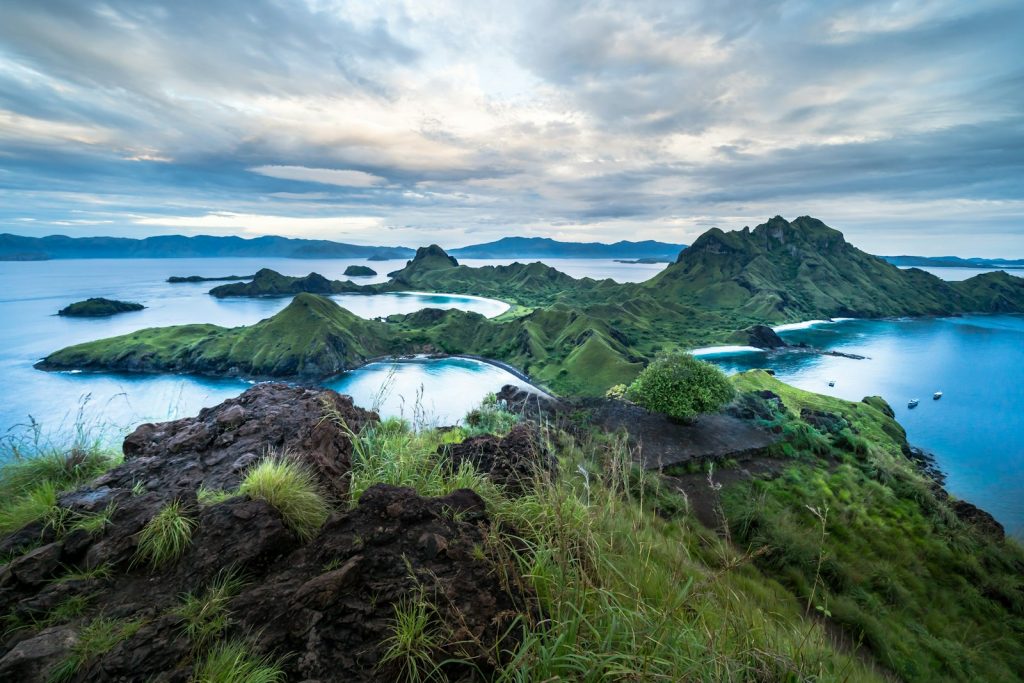
What Labuan Bajo does have is something that cannot be replicated in Bali or Ubud: immediate proximity to one of the world’s most biodiverse marine environments, an IUCN-listed UNESCO World Heritage Site, Komodo dragons on two islands reachable within hours, and a scale of natural quiet — outside peak season — that resort-based wellness can build on very effectively. The wellness offer follows the nature offer. That sequencing is worth respecting.
Planning a trip to Labuan Bajo? We help travellers match accommodation to their actual priorities — spa depth, diving itinerary, budget, group size, and travel window. It costs nothing and takes about 48 hours. Use our enquiry form or reach us directly on WhatsApp at +62 811 3823 875 or at sales@komodoluxury.com. No booking pressure; if you proceed with any partner through our recommendation, they may pay us a referral fee at no extra cost to you — but no one can pay to change what we publish here.
Frequently Asked Questions
Is Labuan Bajo a good base for a wellness retreat?
It depends on how you define the retreat. Labuan Bajo is an excellent base for combining nature immersion — the national park, marine wildlife, Padar Island hikes, Komodo dragon treks — with resort spa access. Five properties are confirmed operating with spa facilities as of 2024-2025, and Sudamala Resort offers the region’s most price-transparent multi-day wellness packages. What Labuan Bajo does not have is a standalone wellness retreat centre of the Ubud type, a dense yoga studio scene, or a broad range of structured multi-week programmes. If the retreat is the primary goal and nature is secondary, Bali will serve you better per dollar. If the nature experience is primary and you want quality spa access alongside it, Labuan Bajo works well.
Which spa hotel in Labuan Bajo is best for a wellness-focused stay?
The most price-transparent and fully-documented wellness option is Sudamala Resort Komodo, whose multi-day packages are visible on third-party booking platforms and whose Sudajiva Spa (563 sqm, three treatment rooms, open 09:00-21:00 daily) is independently confirmed. For the most complete luxury spa experience, Ta’aktana (Marriott Luxury Collection, opened 2024) has the most detailed confirmed spa facility — the Di’a Spa with plunge pools and a documented treatment menu — though at a significantly higher price point. For yoga as a primary activity within the hotel, Katamaran rates highest on TripAdvisor for the Labuan Bajo category. None of these are endorsements — they are the properties with the strongest independent evidence. Verify all current details directly before booking.
Do I need travel insurance for a labuan bajo wellness retreat?
Yes, emphatically. The public hospital RSUD Komodo is a district facility only; serious conditions require evacuation to Bali or Jakarta. Comprehensive travel insurance with medical evacuation cover is strongly recommended for any Labuan Bajo visit. For divers, ensure your policy explicitly covers decompression illness evacuation to a functioning recompression chamber, and verify the nearest chamber location with your dive operator. This is information rather than medical advice — discuss the specifics with an insurance professional and, for dive-related health questions, a qualified dive physician.
Can I do yoga in Labuan Bajo without staying at a resort?
Yes, though the options are modest. Bajo Yoga has operated since 2017 and is described as the first yoga service in Labuan Bajo, serving locals, expats and tourists at community rates. A local RYT200-certified instructor, Niang Yoga Bajo, offers private and group classes through Instagram (@niang_yogabajo). Both require direct contact to confirm current schedules, as neither maintains a real-time booking system. Sten Lodge Eco Retreat in Melo (near Labuan Bajo) offers Pranayama, Yoga Nidra and meditation in an eco homestay format [VERIFY: +62 813 3722 9724]. These options supplement but do not replace the structured programming available at resort properties.
How far is Labuan Bajo from Bali, and can I combine both for a wellness trip?
Labuan Bajo is approximately 1-1.25 hours from Bali (Denpasar) by direct flight, with multiple airlines operating the route and around 13 daily departures across both directions. The combination most commonly recommended by experienced operators is a 5-7 night Bali retreat for concentrated wellness work — Bali’s retreat infrastructure is far denser and more affordable at every price tier — followed by 3-4 nights in Labuan Bajo for the Komodo nature experience with resort spa access. This sequencing uses each destination for what it actually does best, rather than asking Labuan Bajo to replicate what Bali has spent 30 years building.