How to read this: Komodo Wellness Retreat is an independent curation guide for wellness travel in the Komodo & Flores region — we compare retreat styles (yoga, meditation, detox, dive-wellness, liveaboard, spa) and then route your enquiry to a vetted partner who handles the booking. We are not a resort, operator, studio or booking platform, and any property or place names are neutral examples only, not claims of affiliation or endorsement. Wellness content here is general information, not medical, health or fitness advice — consult a qualified professional before any detox, fasting, diving or new practice. Park permits, fees, schedules and the ~1,000/day Komodo National Park visitor cap change — confirm current details before you travel. Prices are by quote and vary by retreat, season and group; figures here are indicative ranges only.
A Komodo wellness retreat FAQ exists because this destination generates more questions than almost anywhere else in Indonesia — and most of the answers floating online are either promotional copy or simply wrong. This page collects the questions we hear most often and answers them as candidly as we can, flagging where information is uncertain and where you need to verify directly before you travel.
We are an independent curation guide, not a booking agency. No one can pay to change what we publish. If you use our free help and proceed with a partner or operator, they may pay us a referral fee at no extra cost to you.
How Many Days Should I Budget for a Komodo Retreat?
The honest answer depends on what you mean by “retreat.” There is a significant gap between what the word suggests and what Komodo actually delivers.
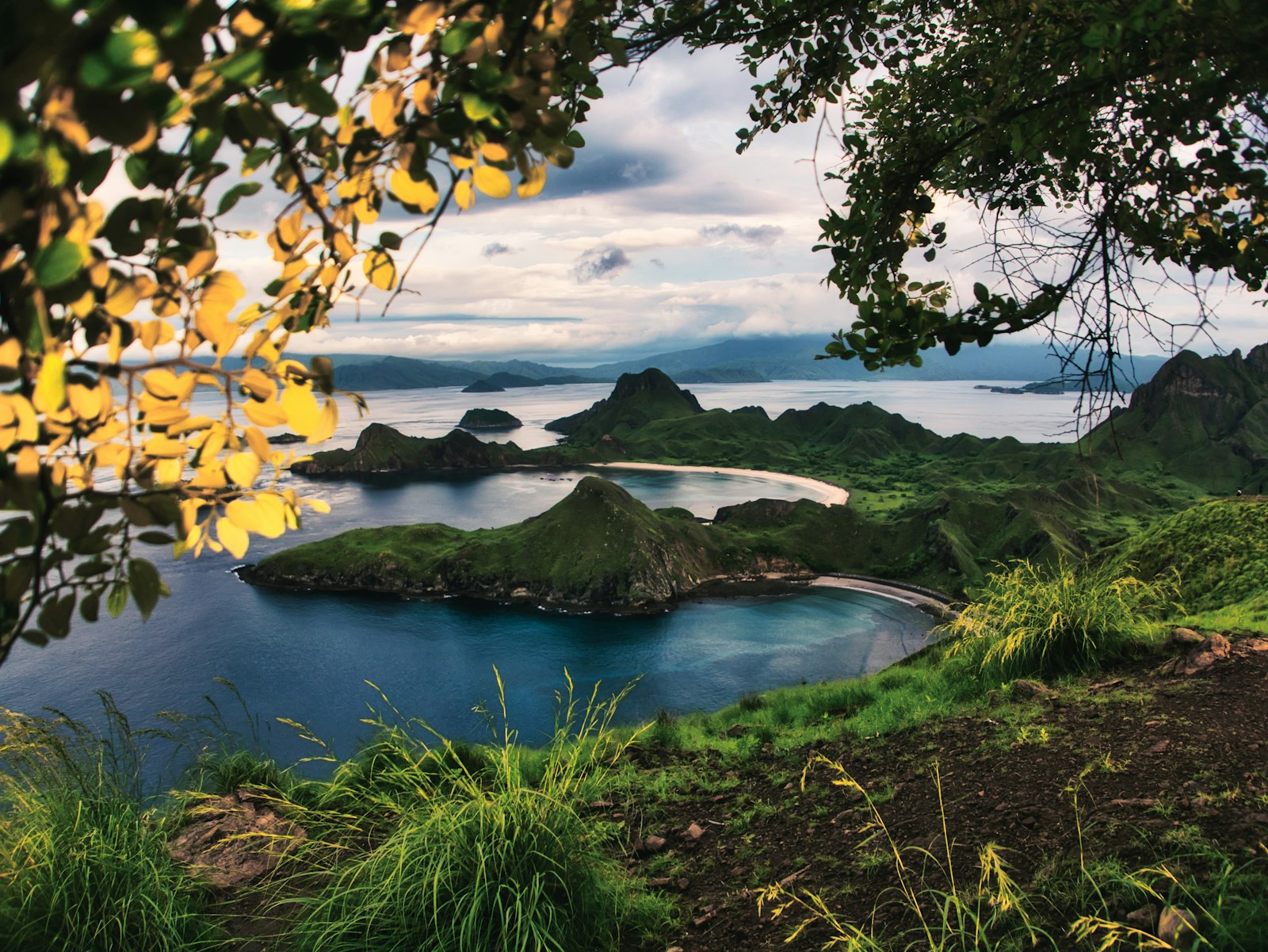
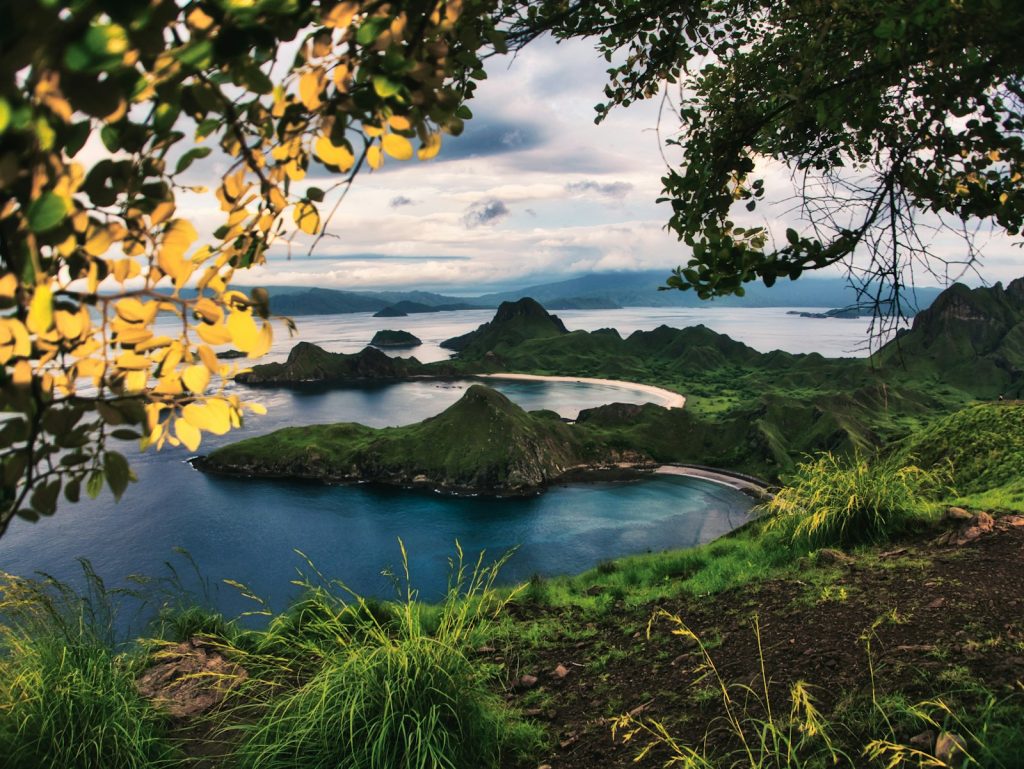
For a sailing or liveaboard experience — the format most wellness programs here take: two nights and three days is the bare minimum to see the main zones of Komodo National Park and have room for morning yoga or meditation. Three nights and four days gives the experience much more breathing room: a sunrise hike on Padar Island, snorkelling at Pink Beach, manta-watching at Manta Point, and still half a day of recovery before you leave. Four or five nights on a well-equipped phinisi is where the experience starts to feel genuinely restorative rather than rushed.
For resort-based stays in Labuan Bajo (AYANA Komodo Waecicu Beach, Ta’aktana Marriott Luxury Collection, Plataran Komodo, Sudamala, Katamaran) two to three nights is the standard. That is enough time to use the spa, do yoga on the beach if the resort offers it, and take one or two park excursions. Staying longer rarely unlocks more wellness programming at these properties; the retreats are attached to resorts, not standalone immersive programs.
The Bali-Plus-Komodo Pattern
By far the most common travel pattern among the guests we hear from: five to seven nights in Bali, typically Ubud or Canggu, for structured yoga, jamu workshops, and intensive wellness programming, followed by three to four nights in Komodo for the nature-immersion add-on. Bali has the density of wellness programming that Komodo lacks. The one-hour flight from Bali’s Ngurah Rai International (DPS) to Labuan Bajo Komodo International (LBJ) makes this combination logistically simple, and the contrast is genuinely complementary. Bali resets the nervous system; Komodo reminds you why the world is worth looking after.
Budget a minimum of eight to ten days for a satisfying combined trip. Twelve to fourteen days if you want to avoid the feeling of a highlight reel and actually arrive somewhere before you have to leave.
Is Komodo Safe for Solo Female Travellers on a Wellness Trip?
This is one of the questions we get asked most, and we want to answer it carefully rather than either dismiss the concern or amplify it with vague warnings.
Labuan Bajo is a small tourism town that has grown quickly. The core areas (the waterfront, resort strip, and town centre) are generally considered safe for solo travellers including women, with the usual precautions that apply anywhere in Indonesia. Petty crime exists. After-dark situations in unfamiliar areas carry more risk than daytime activities in well-frequented zones.
Inside Komodo National Park, all trekking on Komodo and Rinca Islands requires a park ranger escort. This is not optional and is not only about the Komodo dragons. The ranger requirement provides a layer of safety and local knowledge that benefits all visitors. On liveaboard trips with reputable operators, the crew-to-guest ratio is typically high and the format itself (a small group on a vessel) tends toward a community dynamic that many solo travellers report finding comfortable.
Practical precautions that apply here: research your operator or resort thoroughly before booking, not afterward. Choose operators with verifiable reviews, clear terms, and English-speaking crew if that matters to you. Share your itinerary with someone at home. Book park entry through the SiOra digital booking system well in advance — permits are tied to your passport number and calendar date, creating a verifiable paper trail. Purchase comprehensive travel insurance before you arrive (more on this below).
This is general safety information, not a guarantee. Conditions change, individual circumstances vary, and no guide can substitute for your own judgment on the ground. If you want help identifying vetted operators who frequently host solo female guests, use our enquiry form or reach us on WhatsApp to plan your trip.
Are There Real Yoga or Meditation Retreat Centres in Komodo?
Candidly: scarce, and nothing like what you find in Bali. This is probably the single most important thing to understand before you book.
There is no dedicated yoga retreat centre in Labuan Bajo or wider Flores with a verified physical address and confirmed 2024–2025 operations. Booking aggregator sites list “Flores meditation retreats” but when you check the actual properties, most resolve to venues in Lombok or Sanur, not Flores at all. Do not book based on an aggregator category page without verifying the property address independently.
What does exist:
- Bajo Yoga [VERIFY] — described as the first yoga service in Labuan Bajo, operating since 2017 as a community studio. Small and local rather than a retreat centre, it functions as a drop-in space. A Weebly website is the only digital presence; call ahead to confirm hours.
- Niang Yoga Bajo [VERIFY] — a local RYT200-certified instructor running private and group classes, Instagram-only presence.
- Sten Lodge Eco Retreat in Melo, Manggarai Barat [VERIFY] — listed on yoga directories as offering Pranayama, Yoga Nidra, and Meditation in an eco homestay setting near Labuan Bajo. Contact via +62 813 3722 9724 to confirm current availability.
Resort-attached yoga exists at several hotels. Katamaran Hotel & Resort ranks first on TripAdvisor for yoga hotels in Labuan Bajo and offers beach yoga. Meruorah Komodo Labuan Bajo has a sunset yoga activity. Sudamala Resort runs structured multi-night packages that combine yoga and meditation with cultural experiences [VERIFY programs directly].
For immersive yoga-and-sailing programs, liveaboard operators fill the gap. Operators confirmed to have run yoga programs in 2024–2025 include Aliikai Phinisi (the Wander Women Komodo dive-and-yoga week, May 2025) and SeaTrek Sailing Adventures, which markets an eight-day Life Force Wellness Cruise and Yoga Retreat covering daily yoga, meditation, snorkelling, and park fees [VERIFY current departure dates directly with each operator]. Samara Liveaboard offers customisable wellness charters with onboard instructors on a private charter model.
What Does a Komodo Wellness Retreat Actually Cost?
Prices are by-quote and change with season, availability, and group size. The ranges below are reference brackets from verified sources as of 2025–2026, not fixed prices. Always confirm current rates with the operator or property directly.
| Format | Indicative range | Notes |
|---|---|---|
| Budget hotel, Labuan Bajo, no wellness programming | USD 20–60/room/night | Self-catered wellness |
| Mid-range hotel with spa access | USD 80–180/room/night | Spa treatments charged separately |
| Ta’aktana Luxury Collection [VERIFY] | From approx. USD 490/night | Di’a Spa; rates fluctuate; verify before booking |
| Simple to mid-range shared phinisi (3D2N standard tour) | IDR 4–7 million total per person (~USD 130–230/person/night) | No structured wellness programming |
| Curated yoga + nature Komodo liveaboard | Approx. USD 200–350+/person/day | Yoga, accommodation, meals, park fees included |
| Luxury phinisi / private charter with wellness | Approx. USD 400–1,000+/person/night | Inferred from comparable luxury liveaboard pricing; verify directly |
| Bali yoga retreat (Ubud/Canggu, for comparison) | USD 30–400+/person/night depending on tier | Far greater programming density per dollar |
Park Fees You Must Budget Separately
Komodo National Park charges a daily visitor fee of IDR 250,000 per foreign national per day, plus a diver surcharge of IDR 25,000 per diver per day and a harbour fee of IDR 25,000 per person per day. A foreign diver visiting for three days typically pays around IDR 900,000 (~USD 55–60) in park and harbour fees alone, not counting guide or ranger fees. Ranger trekking fees run approximately IDR 200,000 per group of up to five people, paid at the site.
The IDR 3.75 million annual membership fee that was widely reported in 2023–2024 was officially scrapped. The daily fee model is what applies now, but park fee policy has changed before — confirm the current structure through your operator before arrival.
The SiOra Booking Reality
From 2026, the park operates a mandatory advance digital booking system called SiOra (Sistem Informasi Online Reservasi Wisata Alam). Walk-up harbour tickets are no longer the default option. A daily visitor cap of 1,000 people across all zones was piloted in early 2026 in three time slots, though this was described as a trial rather than permanent fixed policy. In peak season (June–September), reputable operators recommend booking two to four months ahead. This means a last-minute Komodo trip during high season carries real risk of being turned away from key sites. Book early, and use an operator who manages SiOra permits on your behalf.
For personalised cost estimates based on your travel dates and group size, use our enquiry form or message us on WhatsApp (+62 811 3823 875) — we connect you with vetted operators and can help you compare quotes without obligation.
When Is the Best Time to Visit for a Wellness Retreat?
April to June and September to November are the two windows most consistently recommended for a wellness-focused visit. Here is why.
April through June: the wet season is winding down, landscapes are still green, seas are calming, temperatures are comfortable, and visitor numbers are lower than the July–August peak. Water temperature sits around 28–29°C. It is the sweet spot for people who want the experience without peak-season crowds and prices.
September through November: excellent marine conditions, drier weather, fewer boats on the water than July–August, and the manta rays begin congregating at Manta Point and Manta Alley as November approaches. The transition from dry to wet in November brings some unpredictability, but the overall experience is often better than peak season.
July and August are the driest, sunniest months with the best underwater visibility. They are also the busiest and most expensive, and the southeast monsoon generates larger waves on the south coasts of Komodo and Rinca. These months are excellent for diving and trekking but not the most tranquil for a wellness intention.
January and February are the roughest months by sea. The northwest monsoon can bring storms, some operators reduce schedules, and certain sites become inaccessible. These months are still viable for manta diving but not ideal for people prone to seasickness or seeking calm sailing.
Will I Get Seasick? What About Fitness Requirements?
Seasickness is a real consideration and one that is routinely under-discussed in operator marketing.
Day-trip boats to Komodo National Park are small and can pitch and roll, particularly on crossings between islands. Larger phinisi liveaboards are more stable but still move in swell. The driest, calmest months (April–October) carry generally lower seasickness risk; the wet season (November–March) carries higher risk, with January and February the roughest.
If you are susceptible to motion sickness, take it seriously: use proven medication (discuss with your doctor before travel), eat a light meal before boarding rather than fasting or overeating, position yourself mid-ship rather than at the bow or stern, and face the direction of travel. Choosing a larger phinisi over a small speedboat helps considerably. On a multi-day liveaboard, most guests adapt after the first day at sea.
There are no extreme fitness requirements for a standard Komodo wellness itinerary. The Padar Island viewpoint hike is popular and often described as the highlight of the trip — it takes roughly 45 minutes to an hour up a moderately steep trail in heat and humidity. Wear proper footwear, carry water, and go early in the morning to avoid the worst of the heat. People of moderate fitness without joint problems manage it comfortably. It is not technical.
Yoga sessions on liveaboards are adapted to the platform and typically offered at all levels. If you have specific injuries or conditions, discuss them with the operator before booking so they can confirm their instructor’s ability to accommodate you.
Is Diving Safe Here? What About Recompression Chambers?
Komodo is a world-class dive destination with famously strong currents. This is stated plainly in almost every serious dive guide, and it matters for wellness travellers who plan to combine diving with their retreat.
The currents at signature sites like Batu Bolong, Castle Rock, and The Cauldron are described as strong to very strong. Drift diving is standard practice here, not an advanced option. Advanced Open Water certification is the minimum recommended for the high-profile sites. Newer divers can access more sheltered central-zone sites with conservative operators. Choose your operator based on safety standards, not on which one promises to take you everywhere.
The nearest recompression (hyperbaric) chamber to Komodo National Park may be outside Flores entirely. This is not a reason to avoid diving here, but it is a reason to take dive insurance seriously. Confirm the location of the nearest operational chamber with your operator before booking; this is a basic question any reputable operator should be able to answer. Diving without decompression illness cover in a remote area like this is a significant risk regardless of wellness framing.
Are Traditional Healing Practices Here Authentic to Flores?
This is one of the more nuanced questions on the Komodo wellness retreat FAQ list, and it deserves a candid answer.
Jamu, Indonesia’s herbal medicine tradition, is genuinely ancient and UNESCO-inscribed as Intangible Cultural Heritage. Practiced since at least the eighth century, it uses roots, bark, flowers, seeds, and leaves to balance what practitioners describe as hot and cold states in the body. It is legitimately part of Indonesian healing culture. Some resort spas incorporate jamu-inspired treatments authentically; others use the word as packaging for standard body scrubs. Ask what a specific treatment involves before you book it.
However: some of what is marketed as “local Komodo healing” or “Flores ritual” at resort spas is actually Balinese in origin — specifically the Melukat purification ceremony (a Balinese Hindu ritual) and Boreh paste (a traditional Balinese herbal scrub). Sudamala Resort’s wellness packages, for example, explicitly include the Melukat ceremony. This is not a problem if you know what you are getting, but it is worth understanding that Flores and Bali are culturally distinct. Flores is predominantly Catholic rather than Balinese Hindu, and the “local ritual” framing can therefore mislead.
Indonesia has hundreds of ethnic groups with distinct healing plant traditions. Flores and the surrounding NTT region almost certainly have their own herbal and ritual practices. But no specific named Flores healing system is documented in the sources we have reviewed, and we will not fabricate one. If ethnobotanical authenticity matters to you, ask your operator specifically which traditions are Manggarai, Ngada, or other local Flores ethnic practices, and which are Balinese imports or generic Indonesian spa treatments.
On health claims: jamu is heritage and cultural practice. Some ingredients have demonstrated bioactive properties, but the tradition as a whole does not have full scientific validation, and commercial jamu products have sometimes been found adulterated with undisclosed pharmaceuticals. Treat wellness treatments as complementary experience, not medical intervention, and consult a doctor if you have health conditions that interact with herbal preparations.
Do You Need Travel Insurance for Komodo?
Yes. This is not a recommendation hedged with caveats — it is a straightforward answer to a clear question.
Medical facilities in Labuan Bajo are limited to RSUD Komodo, a district-level public hospital capable of handling basic emergencies and common conditions. Private clinics exist and some provide dive-oriented medical services. For serious conditions (major trauma, cardiac events, complex surgery, decompression illness), evacuation to Bali (Denpasar) or Jakarta is the realistic pathway. Medical evacuation is expensive, often exceeding USD 10,000–50,000 depending on the situation and destination. Without insurance, that cost falls entirely on you.
What your travel insurance policy needs to cover for Komodo specifically:
- Emergency medical treatment including evacuation to Bali or Jakarta
- Trip cancellation and interruption (park permit cancellations are not refundable; weather delays are real)
- If you are diving: decompression illness (DCI) cover, including air evacuation to a recompression facility — standard travel insurance policies frequently exclude dive-related illness; specialist dive insurance (DAN, PADI Insurance, or equivalent) fills this gap
- Adventure activity cover if your policy excludes trekking or snorkelling
Purchase insurance before you depart, not after you land. Pre-existing conditions affect coverage; read your policy carefully. This is information, not insurance advice — speak to a qualified insurance broker for guidance specific to your situation.
What Are the Visa and Arrival Requirements for Indonesia?
Visa rules change, and they have changed multiple times in the past two years. The following reflects information as of mid-2026 but you must verify current requirements at the official Indonesian Directorate General of Immigration website before booking any travel.
Your passport must be valid for at least six months beyond your arrival date in Indonesia, with a minimum of two blank pages.
The Indonesia Arrival Card is a mandatory digital form combining immigration, customs, and health declarations. It must be completed within 72 hours before arrival and is free. It does not replace a visa.
Most Western visitors use the Visa on Arrival (VOA) at IDR 500,000 (~USD 35), which grants 30 days extendable once to 60 days total. VOA is issued at major international airports. Direct entry at Labuan Bajo (LBJ) from outside Indonesia as your first port of entry may have different procedures — if arriving from overseas, entering through Bali (DPS) or Jakarta (CGK) and taking a domestic connection to LBJ is the standard and simpler approach. From Bali, the flight is approximately one hour.
From May 2025, all VOA and e-VOA extensions must be done in person at an Indonesian immigration office. Overstaying carries serious consequences: IDR 1,000,000 per day, plus possible detention, deportation, or future entry bans. This is information flagged to verify; it is not legal or immigration advice. Check official sources.
What Vaccinations Are Recommended for Komodo?
Routine vaccinations should be current: tetanus-diphtheria-pertussis, MMR, polio, and influenza. For travel to Indonesia specifically, Hepatitis A, Hepatitis B, and Typhoid are strongly recommended. Malaria risk exists in parts of Flores and surrounding islands — discuss prophylaxis with a travel medicine clinic. Dengue fever is common across Indonesia; mosquito precautions (repellent, long sleeves at dusk) are essential year-round.
Consult a travel medicine specialist at least six to eight weeks before departure. Labuan Bajo is at sea level — no altitude sickness risk. Motion sickness on winding mountain roads in the Flores interior is possible if you travel overland.
Plan your Komodo wellness trip with independent guidance. We help travellers match their itinerary to vetted operators and properties without pressure. Use our enquiry form or message us on WhatsApp (+62 811 3823 875) — the same team handles both.
Quick-Reference Facts for Komodo Wellness Travellers
- Park entry fee (foreign nationals)
- IDR 250,000 per person per day (plus IDR 25,000 diver surcharge and IDR 25,000 harbour fee)
- Booking system
- SiOra digital advance booking — mandatory from 2026; no walk-up tickets; book 2–4 months ahead in peak season
- Daily visitor cap
- 1,000 visitors per day across all zones (piloted from early 2026; described as trial policy)
- Nearest international airport to Komodo
- LBJ (Komodo International Airport, Labuan Bajo) — approximately 1h from Bali, 2h30m–3h from Jakarta
- Best months for wellness travel
- April–June (calm, green, less crowded); September–November (marine conditions, fewer boats)
- Water temperature range
- 26.5–29.5°C across the year; coolest in August (~26.5°C), warmest Jan–Mar and Nov–Dec (~29–29.5°C)
- Verified standalone yoga studios in Labuan Bajo
- Bajo Yoga (since 2017) and Niang Yoga Bajo (local RYT200 instructor) — both small, verify availability before visiting
- Recompression chamber
- May be outside Flores — confirm location with your dive operator; dive insurance covering DCI evacuation is essential
- Medical evacuation to
- Bali (Denpasar) or Jakarta for serious conditions; travel insurance with evacuation cover is non-negotiable
- Visa on Arrival cost
- IDR 500,000 (~USD 35); 30 days extendable to 60 days; extension must be done in person at immigration office
More Frequently Asked Questions
Can I do a Komodo wellness retreat on a budget?
The short answer is yes, but the costs add up faster than most people expect. Budget accommodation in Labuan Bajo starts around USD 20–60 per room per night, but park fees, SiOra booking costs, transport to and around the park, and ranger fees are additional. A three-day visit for a foreign diver pays roughly IDR 900,000 in park and harbour fees alone. The most realistic way to keep costs down is to join a shared standard phinisi tour (from IDR 4–7 million total for three days, two nights) rather than booking private. Yoga access at low cost is available through Bajo Yoga and local instructors rather than resort classes. Budget travel here requires more planning and flexibility than a typical Bali itinerary.
Is Komodo National Park safe to visit given the Komodo dragon population?
Komodo dragons are genuinely dangerous — they are large predators with serrated teeth and bacteria-laden saliva. Inside Komodo and Rinca Islands, you trek only with a park ranger escort, which is both mandatory and sensible. The 2024 official monitoring document puts the park population at approximately 3,270 individuals. Human-dragon conflict incidents are rare; only one conflict incident was recorded in 2024, and all involved parties survived. Follow ranger instructions, stay on marked paths, and do not approach dragons independently. Biting incidents typically occur when visitors disregard these basic protocols.
Are liveaboard yoga retreats suitable for non-divers?
Several liveaboard wellness programs are explicitly designed for non-divers or offer dive as an optional add-on rather than the core activity. SeaTrek’s wellness cruise and the Wander Women Komodo format, for example, combine yoga and meditation with snorkelling and island exploration — diving is one option, not the entire trip. If you are a non-diver, confirm that the specific departure you are considering treats diving as optional before booking. Some standard dive liveaboards are less well adapted to non-diving guests.
How far in advance do I need to book a Komodo wellness retreat?
For peak season (June–September), two to four months ahead for park permits and liveaboard berths is the operator-recommended minimum. Dedicated yoga-and-wellness liveaboard programs run specific departures rather than daily schedules — if you have a particular program in mind, check availability as soon as your travel dates are confirmed. Resort spas in Labuan Bajo have more availability flexibility, but luxury properties like Ta’aktana and AYANA fill up during the July–August peak. The SiOra booking system requires you to commit to specific calendar dates with your passport number. Last-minute flexibility is genuinely constrained in this destination. Four months ahead is not excessive for a peak-season trip.
What is the difference between a Komodo wellness retreat and a Bali wellness retreat?
They serve different needs, and conflating them leads to disappointment. Bali, particularly Ubud, has a dense ecosystem of standalone retreat centres, yoga schools, sound healers, jamu practitioners, and therapists built over decades. You can fill every hour of a two-week retreat calendar in Ubud. Komodo offers something the opposite of a schedule: open water, raw landscape, encounters with wildlife, and the physical calm that comes from being genuinely remote. The wellness value in Komodo is intrinsic to place: the early morning on Padar’s ridge, the silence underwater, the rhythm of a phinisi at anchor. Structured programming is sparse; the environment does most of the work. The most satisfied Komodo wellness travellers we hear from arrive already knowing this and stop looking for the thing that is not there.