How to read this: Komodo Wellness Retreat is an independent curation guide for wellness travel in the Komodo & Flores region — we compare retreat styles (yoga, meditation, detox, dive-wellness, liveaboard, spa) and then route your enquiry to a vetted partner who handles the booking. We are not a resort, operator, studio or booking platform, and any property or place names are neutral examples only, not claims of affiliation or endorsement. Wellness content here is general information, not medical, health or fitness advice — consult a qualified professional before any detox, fasting, diving or new practice. Park permits, fees, schedules and the ~1,000/day Komodo National Park visitor cap change — confirm current details before you travel. Prices are by quote and vary by retreat, season and group; figures here are indicative ranges only.
When travellers ask about Lombok vs Komodo for a quiet retreat, they are usually asking the wrong question at first. The real question is: what kind of quietness do you want? Lombok offers a more developed wellness infrastructure with verifiable retreat properties, yoga schedules you can book months in advance, and a surf-and-meditation scene that has had years to organise itself. Komodo and the wider Flores region offer something different: dramatic marine wilderness, genuine remoteness, and a wellness market so nascent that the premium buys you logistics and environment rather than programming depth. Both deliver quiet. Neither delivers the same thing.
This is an independent editorial comparison. No operator pays to appear here. If you proceed with a partner or operator through our free curation, they may pay us a referral fee at no extra cost to you. All cost figures are ranges to guide budgeting; confirm every number directly with operators and properties before you book.
The Core Difference: Established Scene vs Raw Environment
Lombok’s wellness scene is concentrated around two areas. Kuta Lombok in the south has grown into a genuine surf-yoga corridor, with retreat properties, yoga shalas, and scheduled multi-day programmes that have verifiable addresses, real instructor rosters, and booking calendars you can actually fill. The north of the island, around Senggigi and the Gili Islands, adds spa resort options with more conventional luxury framing. Neither area competes with Ubud in density — Lombok is quieter than Bali by design, and that gap is part of its pitch. But the infrastructure exists. Classes run on known days. Menus are published. Prices, while sometimes only available on request, can be obtained with a direct inquiry.
Flores and the Komodo region operate on a different logic. Labuan Bajo, the gateway town and the closest thing the area has to a wellness hub, has five properties with verifiable spa facilities — Ta’aktana (opened 2024 under Marriott’s Luxury Collection brand), AYANA Komodo Waecicu Beach, Plataran Komodo Resort and Spa, Sudamala Resort, and Katamaran Hotel and Resort. Beyond those, the verified yoga landscape in Labuan Bajo amounts to one small community studio (Bajo Yoga, operating since 2017), a local RYT-200 certified instructor with an Instagram presence, and Sten Lodge Eco Retreat in nearby Melo. No standalone destination yoga retreat centre in rural Flores has been confirmed in available sources as of mid-2026. Retreat aggregator platforms list dozens of “Flores wellness retreats” — but when you check the actual properties, a significant number resolve to Lombok or Sanur listings that have been tagged loosely as “Flores.” Verify the physical address before committing to any directory listing.
Komodo or Lombok Wellness: A Direct Comparison
| Factor | Lombok | Komodo / Flores |
|---|---|---|
| Retreat programming depth | Multi-day structured programmes available; yoga schedules published in advance | Nascent; resort spa amenities and a handful of wellness packages; no confirmed standalone retreat centre outside Labuan Bajo |
| Verified wellness properties | Multiple with confirmed addresses and published programmes [VERIFY each] | Five resort spas confirmed (Ta’aktana, AYANA, Plataran, Sudamala, Katamaran); liveaboard wellness programmes (SeaTrek, Aliikai, Samara) |
| Yoga access without a resort room | Established studios and independent instructors in Kuta and Senggigi | Bajo Yoga studio (since 2017) and local RYT-200 instructor in Labuan Bajo town; Sten Lodge Eco Retreat in Melo |
| Crowd levels | Quieter than Bali; busier than Flores; peak-season Gilis can feel crowded | Among the least-crowded wellness destinations in Indonesia; daily visitor cap of 1,000 across all Komodo National Park zones (pilot as of 2026) |
| Domestic flight access from Bali | ~20-25 min to Lombok International Airport (LOP); regular services | ~1h-1h15m to Labuan Bajo (LBJ); Garuda, Batik Air, Lion Air, Citilink, AirAsia and others confirmed direct from Bali/Denpasar |
| Entry cost to national protected area | No equivalent park fee for most wellness activities | IDR 250,000/person/day foreign nationals for Komodo National Park; diver surcharge IDR 25,000/day; advance booking via SiOra app mandatory from 2026 |
| Land-based mid-range stay (guidance only) | USD 60-150/room/night at established retreat properties [VERIFY] | USD 80-180/room/night mid-range resort [VERIFY]; from ~USD 490/night at luxury Marriott property (Ta’aktana rate cited by Travel and Leisure Asia — verify at booking) |
| Dominant wellness activity | Yoga, surf-yoga combination, meditation, body treatments | Marine immersion (snorkelling, diving), spa treatments, liveaboard yoga programmes, natural landscape walks |
| Directory listing accuracy risk | Lower; well-established destination with mapped properties | Higher; retreat aggregators frequently mislabel Lombok and Sanur properties as Flores — always verify physical address |
Quiet Wellness Destination Indonesia: What Each One Is Actually Selling
Lombok sells a credible lower-key alternative to Bali. You get the programming, the instructor certifications, the dietary menus, and the scheduling — with fewer bodies at the same beach. If what matters most is a multi-day yoga curriculum, daily meditation sessions, and structured retreat programming you can trust, Lombok can deliver that at a price point broadly comparable to mid-range Bali, with meaningfully fewer crowds outside peak season. The surf-yoga combination around Kuta Lombok in particular has genuine traction, and several retreat operations there have built enough of a reputation over years of operation that due diligence is straightforward.
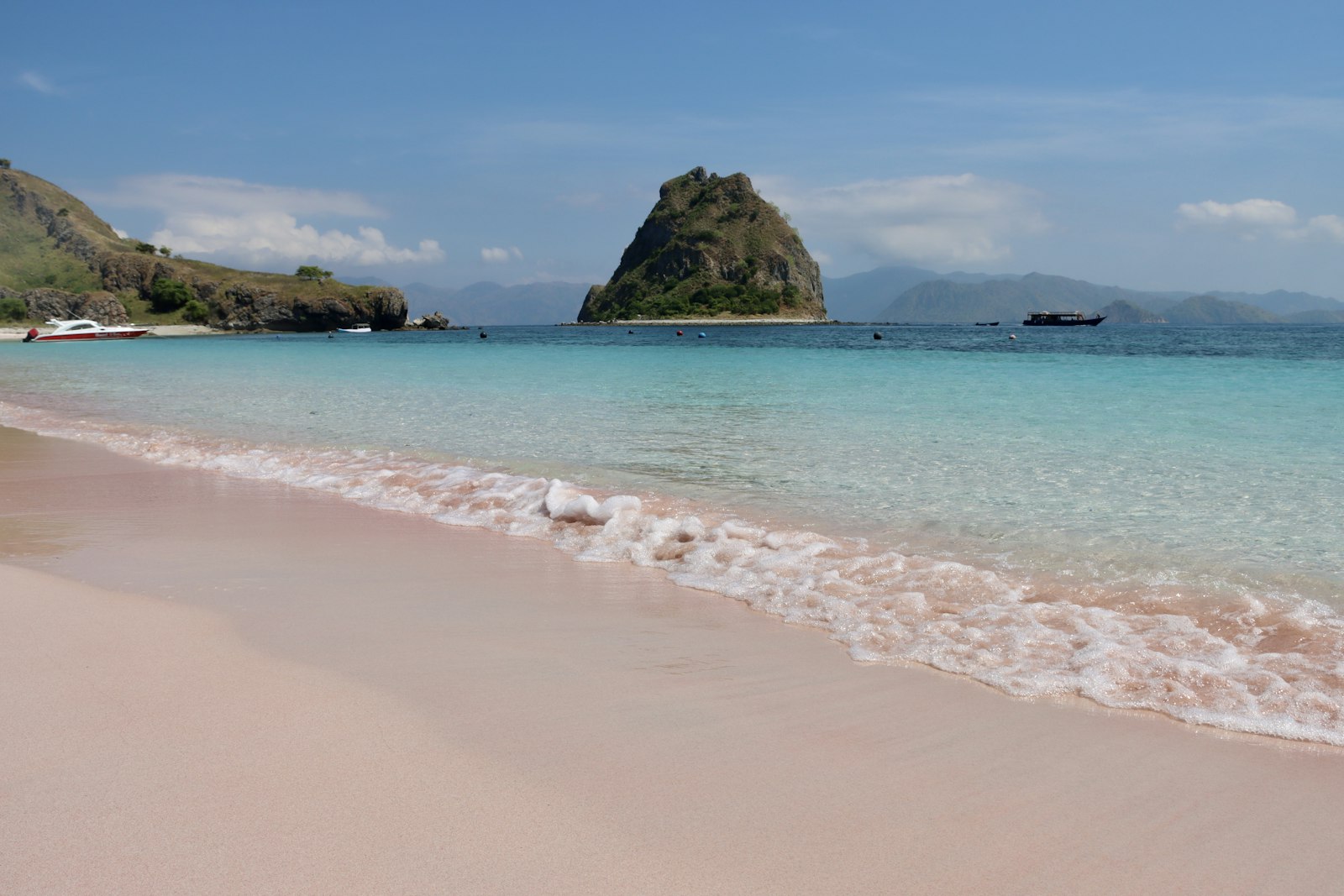
Komodo sells something else: the feeling of being somewhere genuinely remote, in a landscape that does not bend to tourist convenience. A morning watching manta rays cruise a shallow reef before a deck yoga session on a phinisi is not the same experience as a seven-day yoga immersion at a Kuta Lombok shala. Neither is better in absolute terms. They answer different questions. The honest framing for Komodo is this: the environment is extraordinary, the marine life is world-class, the isolation is real — and the wellness infrastructure is early-stage. The premium you pay in Flores goes toward the logistics of being in a UNESCO World Heritage site a hundred kilometres from the nearest city, not toward a polished retreat programme.
For a quiet wellness destination in Indonesia, both earn the “quiet” label. Komodo earns it more absolutely — Labuan Bajo is a small town, the national park operates a daily visitor cap (1,000 visitors across all zones, piloted from February-April 2026 and described as not yet permanent policy), and the liveaboard experience by nature limits your social environment to whoever is on the boat. Lombok earns quietness comparatively — against Bali rather than against open ocean.
The Lombok vs Flores Retreat Decision: Four Traveller Types
You want structured daily yoga with a real curriculum
Go to Lombok. The retreat programming infrastructure in the Kuta area and on the Gilis has depth that Flores does not currently match. You will find verifiable programmes with named instructors, published styles (Vinyasa, Yin, Kundalini, Ashtanga), and multi-day arc structures. In Flores, daily yoga is available at some resort properties and through local Labuan Bajo instructors, but a sequenced multi-day retreat curriculum delivered on land is not confirmed at a standalone centre outside the resort spa context as of this writing.
You want spa treatments and the feeling of escape
Both destinations deliver this, but with different registers. Lombok’s spa resorts tend to offer a more polished, international-standard experience with longer menus and clearer booking processes. In Flores, Sudamala Resort’s Sudajiva Spa (563 square metres, three treatment rooms, open daily 09:00 to 21:00) and Ta’aktana’s Di’a Spa (cave-inspired architecture, hot and cold plunge pools, lulur scrub and warm oil massage treatments) offer genuinely compelling spa experiences in a dramatically more remote setting. The tradeoff is access complexity: getting to Labuan Bajo requires a domestic connection, usually through Bali or Jakarta, and the SiOra park booking system requires advance planning if your treatment agenda includes a day trip into Komodo National Park itself.
You want to combine diving or snorkelling with wellness
Komodo. This is its clearest competitive advantage. Komodo National Park’s dive sites — Batu Bolong, Castle Rock, Crystal Rock, the Cauldron, Manta Point, Manta Alley, Tatawa Besar — are among the most biodiverse in the world. The integration of morning yoga on a phinisi deck, afternoon drift diving, and evening body treatments or meditation is a package that Lombok cannot replicate at the same scale. Liveaboard operations like SeaTrek (“8 Days Life Force Wellness Cruise and Yoga Retreat in Komodo Island”), Aliikai’s Wander Women hosted departures, and Samara Liveaboard’s custom wellness charters build itineraries around exactly this combination. Komodo’s water temperatures average around 28.5°C annually, though thermoclines in the south can drop to 23-24°C — relevant if you are planning long snorkel or freedive sessions as part of a wellness routine.
You want a quiet retreat on a tighter budget
Lombok is likely more cost-effective for structured wellness programming. Mid-range retreat properties with real yoga content in Lombok can be found in the USD 60 to 150 per room per night range with programming included. In Komodo, the lowest confirmed entry point to a multi-day wellness experience with yoga content and spa access is Sudamala’s packages, which start from approximately USD 325 for two nights — but these are package estimates from third-party booking platforms and should be verified directly. The logistics of Komodo (park fees, advance booking requirements, the cost of boat transfers) mean the floor price for a genuine wellness experience in the national park is higher than in Lombok, even before accommodation. Budget IDR 250,000 per day in park fees alone for Komodo National Park (foreign nationals, current pilot rate), plus the SiOra booking requirement, plus any boat charter to reach sites inside the park.
If you are weighing options and would like help identifying what is actually available in your travel window, plan your trip with our team — we can check real availability and flag which liveaboard and resort programmes are genuinely running versus seasonally dormant.
When to Go: Calm Windows for Each Destination
Timing matters differently for the two destinations. Lombok has a wetter climate than Komodo, with the northwest monsoon (roughly November through March) bringing rain, particularly in the north of the island. The dry season from May to October is the most reliable window for a Lombok wellness retreat.
Komodo and the Flores coast are among the driest environments in Indonesia — roughly 800 to 1,000 millimetres of annual rainfall — and seasonal variation here is primarily about sea state rather than rainfall. Two windows stand out for wellness travel to the Komodo region:
- April through June: the dry season is establishing, seas are calming from the wet-season northwest monsoon, temperatures are comfortable (daytime highs typically in the high twenties to low thirties Celsius), landscapes are still green from recent rains, and visitor numbers have not yet reached the July-August peak. For a quiet wellness destination in Indonesia, this window combines good conditions with meaningfully fewer crowds than high summer.
- September through November: excellent marine visibility, the southeast monsoon begins to ease, boat traffic at popular anchorages drops from peak levels, and conditions on most north and central Komodo sites are strong. Water temperatures edge back up from the August low (average 26.5°C in August, climbing toward 29°C by November).
July and August deliver the driest, sunniest, most visibility-rich conditions in Komodo — but also the most boats at anchor, the highest prices, and the most tourists competing for time-slots through the SiOra booking system. If the retreat atmosphere rather than peak dive visibility is the priority, April-June or September-November are the stronger choices.
January and February carry genuine risk for liveaboard wellness programmes in Komodo: the northwest monsoon can make many south-side sites inaccessible and deck yoga on rough open water is a different proposition than a calm May morning. Some liveaboard operators reduce their schedules or reroute entirely in this period. Land-based resort wellness in Labuan Bajo remains viable year-round.
For more detail on how the seasons affect specific dive sites, marine life sightings, and resort availability, see our best time to visit Komodo for wellness travel guide.
The Directory Listing Problem: Verify Before You Book
One practical issue that affects the komodo or lombok wellness search more than most Indonesian destinations: retreat aggregator platforms have a documented problem with geographic mislabelling in this region. Booking platforms including BookRetreats and similar aggregators list retreats categorised as “Flores” or “Komodo Island” that, when traced through to the actual property details, turn out to be located in Lombok or Sanur. The reasons vary — operators list a destination broadly, platform algorithms categorise loosely, and the Flores branding is appealing enough that some operators use it aspirationally rather than specifically.
The same problem can operate in reverse: some Lombok properties are listed under Bali or Flores headings on certain platforms. Before committing a deposit to any retreat you find through an aggregator, confirm the physical address directly with the operator. A genuine Flores retreat will have a verifiable Labuan Bajo or Flores street address, an Indonesian business registration (SIUP or equivalent), and should be able to provide specific information about the SiOra booking process if any of the programme involves Komodo National Park access.
Cost Reality: What the Premium Actually Buys
It is worth being direct about where each destination’s cost structure sits and what it pays for:
- Lombok mid-range wellness retreat (estimate, verify with operator)
- Structured retreat properties with published yoga curricula tend to fall in the USD 70 to 150 per person per night range for accommodation with meals and daily programming. Longer multi-week immersions may have package pricing that reduces the per-night equivalent. These figures are guidance ranges and should be confirmed directly.
- Komodo resort spa stay (mid-range, estimate)
- Mid-range resort accommodation in Labuan Bajo without structured retreat programming runs approximately USD 80 to 180 per room per night. Sudamala’s multi-night wellness packages start from around USD 325 for two nights with yoga and wellness activities — per third-party platforms, verify directly. Ta’aktana from approximately USD 490 per night per Travel and Leisure Asia — verify at booking.
- Komodo liveaboard wellness programme (estimate)
- Standard phinisi tours without wellness focus run approximately IDR 4 to 7 million total for three days, two nights — roughly USD 130 to 230 per person per night equivalent. Dedicated yoga and wellness liveaboard programmes are estimated in the USD 350 to 800 per person per night range. These are inferred from comparable Indonesian luxury liveaboard pricing, not directly quoted; ask operators for specific figures.
- Komodo National Park fees (current pilot rates, verify before travel)
- IDR 250,000 per person per day for foreign nationals; IDR 25,000 per diver per day surcharge; IDR 25,000 harbour fee per person per day. Total for a foreign diver: approximately IDR 300,000 per day. Advance time-slot booking via the SiOra app is now mandatory; operators recommend 2 to 4 months ahead in peak season (June through September).
The pattern that emerges across sources: Bali offers the greatest wellness programming density per dollar, Lombok offers a meaningful step up in quietness and a slight reduction in programming density while keeping costs broadly similar, and Komodo offers the most dramatic environment and the most genuine solitude — but at a cost premium driven by remoteness and logistics, not by retreat content quality.
A common travel pattern that many visitors report working well: a five to seven-night yoga immersion in Bali or Lombok for focused programming, followed by a three to four-night Komodo add-on for the marine nature experience and sailing. The flight from Bali to Labuan Bajo runs approximately one hour to one hour and fifteen minutes, making this combination logistically straightforward. For a liveaboard comparison and what to expect from each type of Komodo wellness experience, see our liveaboard wellness retreat guide and our Komodo wellness cost guide.
Getting There: Access Compared
Lombok is simple: Lombok International Airport (LOP) receives direct flights from Bali in roughly 20 to 25 minutes on multiple carriers, plus connections from Jakarta. The road network around Kuta Lombok is manageable; transfers to most retreat properties in the south of the island are straightforward.
Labuan Bajo requires a domestic connection, almost always via Bali or Jakarta. Confirmed airlines operating the Bali-Labuan Bajo route include Indonesia AirAsia, Wings Air, Lion Air, Batik Air, and Citilink, with the flight time approximately one hour to one hour and fifteen minutes. Komodo International Airport (IATA: LBJ) processed roughly 1.018 million passengers in 2024 and currently handles around 13 departures per day on average. The airport expanded in 2022 (terminal now 13,366 square metres, runway 2,650 metres) and is developing further international connectivity. Once in Labuan Bajo, all Komodo National Park access requires additional boat travel; the island sites are not accessible from the town on foot. This logistical chain — international flight to Bali, domestic to Labuan Bajo, then boat to park zones — is part of what produces the cost premium and, equally, the feeling of genuine arrival somewhere remote.
To start comparing specific departure dates and what programmes are confirmed as running in your window, reach out via our enquiry form or WhatsApp us directly at +62 811 382 3875 ([email protected]). We will give you a straight answer about what is actually available, not a list of aspirational options.
Frequently Asked Questions
Is Lombok or Komodo better for a quiet wellness retreat?
They offer different kinds of quiet. Lombok has a more established yoga and retreat scene with verifiable multi-day programmes — quieter than Bali, more organised than Flores. Komodo offers genuine remoteness, world-class marine nature, and fewer crowds — but the wellness programming is nascent and the cost reflects logistics rather than retreat depth. If structured daily yoga is the priority, Lombok is the cleaner choice. If marine immersion and dramatic landscape are the draw and you can self-programme your wellness alongside spa treatments and liveaboard yoga sessions, Komodo delivers something Lombok cannot replicate.
Are the retreat listings for Flores or Komodo on booking platforms accurate?
Often not. Multiple retreat aggregator platforms have been found to list properties under Flores or Komodo that are physically located in Lombok or Sanur when verified directly. This is a documented issue with the geographic tagging on platforms like BookRetreats and similar aggregators in this region. Always confirm the physical address with the operator before paying any deposit, and ask specifically about the SiOra booking requirement if any of the retreat programming involves access to Komodo National Park.
What are the best months to visit Komodo for a wellness retreat?
April through June and September through November are the two calm windows most consistently recommended across multi-source research. The April-June window combines drying-out seas, comfortable temperatures, green landscapes, and lower visitor numbers than peak summer. The September-November window offers excellent marine conditions, easing southeast monsoon winds, and fewer boats at the most popular anchorages. July and August are the driest and sunniest months but bring peak crowds, highest prices, and the most competition for SiOra time-slots. January and February carry sea-state risk for liveaboard-based programmes.
Is Komodo wellness more expensive than Lombok wellness?
Generally yes, for equivalent programming. The cost difference is driven by remoteness, logistics, and park access fees rather than by the quality of wellness content. Lombok mid-range retreat stays with structured programming are estimated in the USD 70 to 150 per person per night range (verify directly). Komodo mid-range resort accommodation runs approximately USD 80 to 180 per room per night without structured retreat content; Sudamala’s packaged wellness stays start from around USD 325 for two nights; Ta’aktana’s luxury offering starts from approximately USD 490 per night. Komodo National Park fees add IDR 250,000 per person per day for any activity inside park boundaries. All figures are guidance ranges to verify with operators.
Can I combine a Lombok wellness retreat and a Komodo trip in one visit?
Yes, though it requires a routing decision. A direct flight between Lombok International Airport (LOP) and Labuan Bajo (LBJ) is available on some carriers; otherwise, route via Bali. The most common pattern is to use Bali as the hub: yoga immersion in Bali or Lombok for the first five to seven nights, then a Bali-Labuan Bajo flight for a three to four-night Komodo add-on, either liveaboard or land-based. Total trip duration for a meaningful experience of both destinations is typically ten to fourteen days minimum. Consult our planning team or message us on WhatsApp for current routing and programme availability.